
Deciding when to get dental crowns can feel confusing. Crowns protect weakened teeth, but they are an irreversible restoration that requires preparation and long-term care. This article explains the common clinical reasons dentists recommend crowns, seven mistakes or red flags to watch for, six questions to ask before you agree, what to expect during the process, aftercare, and how provincial coverage in Ontario can affect timing. Practical local next steps for a conservative assessment at SR Smile Care (2190 Warden Ave. Ste 205, Scarborough, ON M1T 1V6, phone 647-368-7785) are at the end.
Quick answer: when dentists commonly recommend a crown
Dentists typically recommend a crown when a tooth is structurally compromised and a filling will not provide a durable repair. Common indications include a large existing filling that weakens remaining tooth structure, a vertical crack or fracture, a tooth that is severely worn from grinding, and teeth that have had root canal treatment where the remaining tooth is brittle or at risk of fracture. Dental professionals also use temporary crowns for immediate protection while a permanent laboratory-made crown is made. These clinical uses are described by major dental sources such as WebMD and professional associations, which explain crown types, temporary versus permanent options, and why crowns protect damaged teeth.
Seven red flags and mistakes patients should watch for
Before you accept a crown, check each of these red flags. Each item explains why it matters and what to do instead.
1. You were told to crown a tooth without a clear clinical reason
If your dentist cannot explain the specific structural or diagnostic reason for a crown in plain language, that is a warning sign. A clear indication might be a crack that extends below the gumline, a tooth with little remaining enamel, or repetitive failure of large restorations. Ask the clinician to show X-rays or photos and to document the reason. If the explanation is vague, request time to seek a second opinion or a written treatment plan.
2. Alternatives were not discussed (onlays, larger fillings, monitoring)
Conservative alternatives—such as a larger composite or porcelain onlay, strengthened fillings, or a period of monitored observation—can be appropriate for many borderline cases. If a crown is presented as the only option without comparing benefits, risks, and longevity of alternatives, you may be facing unnecessary treatment. Professional guidance encourages discussing restorative options before irreversible work begins.
3. No imaging or inadequate diagnostic assessment
Planning a crown requires good diagnostics. Bite assessment, periapical or bitewing X-rays, and sometimes clinical photos or cone beam imaging detect hidden cracks, recurrent decay under a filling, or root problems. If you receive a crown recommendation without radiographs or a bite check, ask why those assessments were not required and insist on them before irreversible steps.
4. A crown is recommended solely for cosmetic reasons without discussing trade-offs
Cosmetic motives are valid, but crowns remove more natural tooth structure than veneers or whitening and require long-term maintenance. A trustworthy clinician will balance aesthetics with preservation of tooth structure, outline alternatives such as bonding or veneers when appropriate, and explain future replacement needs and risks.
5. No discussion of crown materials, lab work, or temporary crowns
Crowns vary by material and fabrication: porcelain-fused-to-metal, full ceramic, zirconia, or metal. Each choice affects strength, appearance, and cost. Most permanent crowns are custom-made in a dental laboratory while a temporary crown protects the prepared tooth. Ask which material and laboratory will be used and whether a temporary will be placed. Poorly fitted temporaries, or crowns made without reputable lab work, increase the risk of poor fit and future problems. For typical lifespan expectations, see SR Smile Care’s page on how long should my crown last.
6. The bite feels wrong or the crown is uncomfortable soon after placement
It is common to need minor bite adjustments immediately after cementation. However, persistent problems—difficulty chewing, new jaw pain, or uneven bite—should not be ignored. A high or misaligned crown can cause wear, tooth fracture, or jaw symptoms. Seek adjustment promptly rather than waiting for it to settle.
7. Delay when urgent signs are present (sharp pain, visible crack, infection)
Some situations require timely treatment to save a tooth. A visible vertical crack, severe or worsening pain, infection signs like swelling or drainage, or a tooth fractured to the gumline may demand prompt restoration, stabilization, or emergency care. In those cases, delaying treatment risks root infection or tooth loss. If you have these signs, contact a clinic for urgent assessment or emergency dental care.
Six questions to ask before you agree to a crown
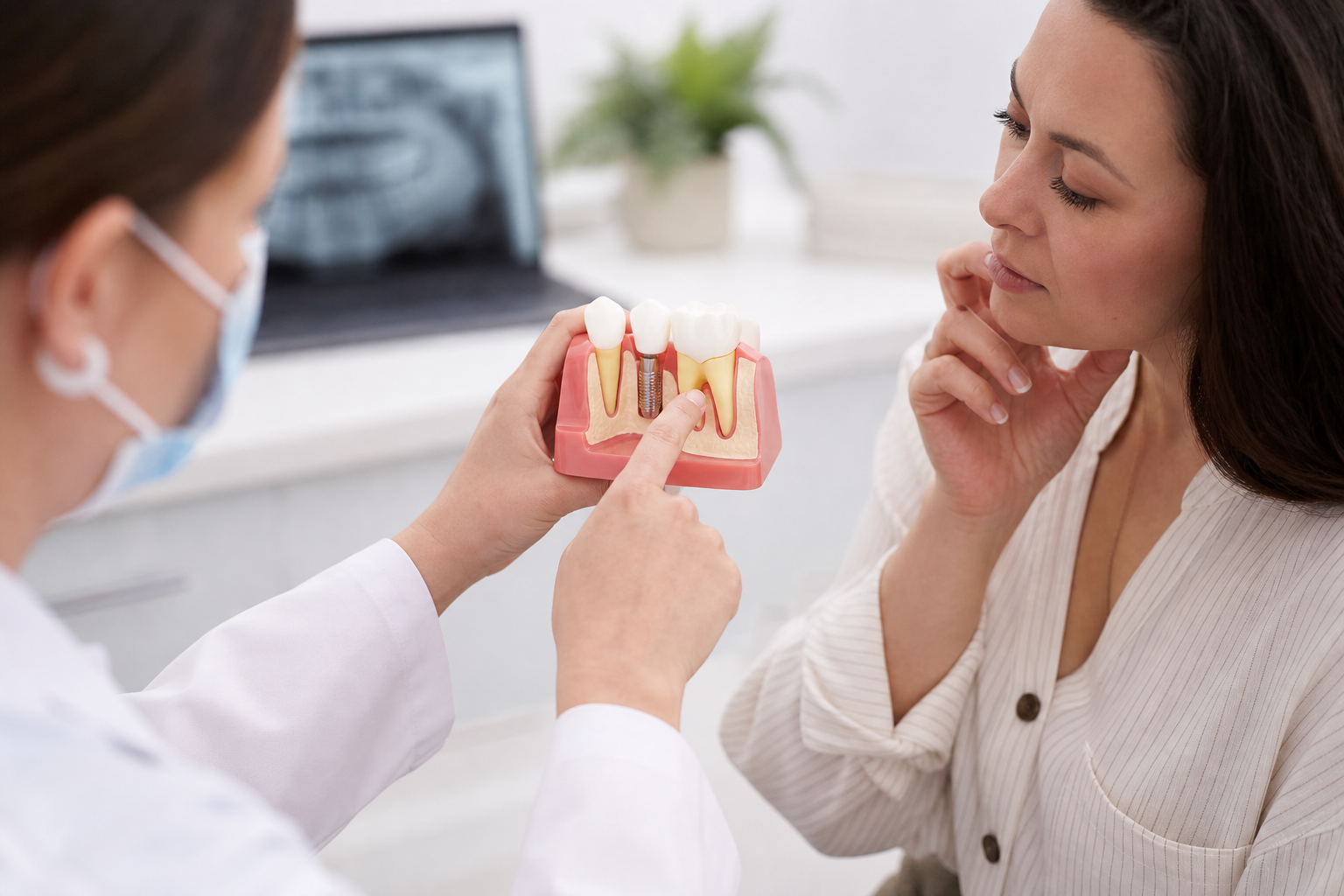
Use this short script at your appointment. Asking these six questions helps you get informed consent and a clear plan.
- Why does this tooth need a crown now, and what are the alternatives? Ask for the clinical reason, supporting X-rays, and what happens if you wait or choose a less invasive option.
- What materials are you recommending and why? Request pros and cons for porcelain, zirconia, or metal, and ask to see example photos of finished work.
- Who will prepare the tooth and place the crown, and where is the crown fabricated? Confirm whether the same dentist will perform both steps and whether a reputable lab or digital milling is used.
- Will I receive a temporary crown, and how long until the permanent is cemented? Understand the timeline and any care needed for a temporary.
- What is the full cost and will my insurance or Healthy Smiles cover it? Ask for a written estimate and whether a predetermination or preauthorization to your insurer is recommended. For program rules see the Ontario Healthy Smiles schedule for dental services and fees at the Ontario government PDF.
- What are realistic expectations for how long this crown will last and follow-up care? Ask about routine maintenance, crown checks, and signs that need early review.
What to expect during the crown process and realistic timelines
Most crown cases follow these steps: assessment with imaging and bite checks, tooth preparation (removing damaged enamel and shaping the tooth), impressions or a digital scan, placement of a temporary crown, laboratory fabrication of the permanent crown, and final cementation with bite adjustments. The full sequence can take one to three visits spread over one to three weeks depending on in-office digital milling or external lab turnaround. Emergency or immediate crowns are used sometimes but are still temporary until a lab-made crown is ready.
Aftercare and warning signs that need prompt review

After crown placement, care is straightforward but important:
- Maintain excellent oral hygiene, brush twice a day and floss around the crown margin.
- Avoid very hard foods for a few days while adhesives set and you adapt to the bite.
- Attend a brief check appointment if the bite feels high, you have persistent sensitivity, or you notice swelling or discharge.
- Warning signs that need prompt review include persistent severe pain, a loose or shifting crown, visible gaps at the margin, swelling, or fever. If any of these occur, call your dental office for emergency assessment.
For further reading on crown longevity and expected maintenance, SR Smile Care provides details on how long a crown should last and what affects lifespan.
Cost, Ontario coverage notes, and how coverage affects timing
Costs vary by material, location, and laboratory fees. Public programs like Healthy Smiles Ontario have eligibility rules and specific limits for crown coverage that can change treatment options or timing; the provincial schedule lists maximums and conditions that can affect whether a crown is covered or whether an alternative restoration is required first. Review the Ontario schedule PDF to confirm eligibility and coverage details before scheduling treatment. If you have private insurance, request a written estimate and predetermination so you understand patient responsibility.
Local next steps: low-commitment assessment at SR Smile Care and second opinions
If you live in Scarborough and want a conservative, evidence-based assessment, SR Smile Care offers family and restorative dentistry with on-site capabilities for fillings, restorations, and crowns. New patients are welcome at 2190 Warden Ave. Ste 205, Scarborough. Call 647-368-7785 or visit SR Smile Care to book a consultation. Bring any recent dental X-rays, insurance details, and a list of symptoms. If you feel uncertain about the recommendation, ask for a written treatment plan and consider a second opinion before irreversible treatment.
Frequently asked questions
How do I know whether a filling can be repaired instead of putting on a crown?
Ask your dentist to show radiographs and explain how much healthy tooth remains. If the remaining structure is strong and margins can be sealed, a larger filling or onlay may be appropriate. If the tooth has recurrent decay under a filling, a vertical crack, or minimal remaining enamel, a crown may be safer. A second opinion is reasonable when the need for a crown is not clear.
Will a crown always be recommended after a root canal treatment?
Not always, but many root canal-treated teeth are brittle and benefit from protection. The decision depends on the amount of remaining tooth structure and the tooth’s position. Molars and premolars often receive crowns after root canal treatment; front teeth sometimes do not. Discuss the specific risks of fracture and the alternatives with your dentist.
How long will a dental crown last and what affects its lifespan?
Crown longevity depends on material, fit, oral hygiene, bite forces, and parafunctional habits like grinding. With good care, crowns commonly last many years, but exact lifetime varies by case. For more detail about expected lifespan and maintenance, see SR Smile Care’s article on how long should my crown last.
Does Healthy Smiles Ontario cover dental crowns and how does that change treatment timing?
Healthy Smiles Ontario and similar programs set eligibility rules and limits for crown coverage. The provincial schedule lists maximums and conditions that can affect whether a crown is covered or whether an alternative restoration is required first. Review the Ontario schedule PDF to confirm eligibility and coverage details before scheduling treatment.
When should I seek emergency care for a cracked tooth or a loose crown?
Seek urgent care if you have severe pain, a tooth that is visibly split, swelling, fever, or a crown that is loose with exposure of the dentin or root. Those signs can indicate infection or structural failure that may threaten the tooth. Contact your dental office for an emergency appointment.
Have more questions or want a conservative assessment? SR Smile Care can review X-rays, discuss alternatives, and provide a written treatment plan so you can decide with confidence. Visit SR Smile Care to book an appointment or learn more.