
A teeth whitening dentist is a licensed dental professional who brightens tooth color using hydrogen peroxide or carbamide peroxide under controlled conditions. In-office whitening often lifts several shades in a single visit. For Scarborough patients, professional supervision improves safety, comfort, and consistency compared with store-bought kits—especially if you have sensitivity or existing dental work.
By Rohit Sawant • Last updated: July 7, 2026
Overview and Table of Contents
Use this complete guide to understand professional teeth whitening, how it works, which option fits your smile, and how to choose a qualified dentist in Scarborough. You’ll get step-by-step instructions, best practices, real examples, and a simple checklist to book confidently with a trusted local clinic.
SR Smile Care is a family-friendly dental clinic in Scarborough focused on gentle, modern care. In this guide, we cover:
- What professional whitening is—and how dentists protect enamel
- Why supervised care beats DIY strips for sensitive teeth
- How in-office treatments work, step by step
- Options compared: in-office, custom trays, and OTC
- Best practices before and after whitening
- Tools, resources, and local tips for Scarborough patients
- Mini case examples and a quick-start checklist
At a glance
- Typical appointment time: about 60–90 minutes with shade tracking
- Common agents: hydrogen peroxide (in-office), carbamide peroxide (at-home trays)
- Ideal for: coffee/tea stains, aging, some medication stains; bonding/crowns don’t whiten
- Follow-up: whitening maintenance and regular cleanings to preserve results
- What Is Professional Teeth Whitening?
- Why Whitening With a Dentist Matters
- How In-Office Teeth Whitening Works
- How to Choose a Teeth Whitening Dentist in Scarborough
- Types of Whitening: In-Office, Custom Trays, OTC
- Best Practices Before and After Whitening
- Tools and Resources We Use
- Mini Case Examples from Scarborough Patients
- Teeth Whitening Dentist: FAQ
- Conclusion and Next Steps
What Is Professional Teeth Whitening?
Professional teeth whitening is the dentist-supervised lightening of tooth color with medical-grade peroxide gels. Dentists isolate gums, measure shades, and tailor strength and exposure time to safely remove stains and brighten enamel several shades, often in one visit, with options for at-home maintenance.
In dentistry, whitening targets extrinsic stains (from coffee, tea, red wine, or smoking) and many intrinsic stains (deeper discoloration from aging or past medication). In-office gels typically use hydrogen peroxide in higher concentrations, while custom take-home trays use carbamide peroxide in measured doses. Shade change is documented with a calibrated shade guide and photos so you can see progress clearly.
Because whitening acts on natural enamel, existing dental work like fillings, crowns, and bridges won’t change color. If your smile includes visible restorations, a dentist can sequence whitening first and then replace restorations to match the new shade. At SR Smile Care, we integrate whitening with other services, from routine professional cleanings to restorative options when needed.
Learn more about our approach on the SR Smile Care teeth whitening service page.
Why Whitening With a Dentist Matters
Whitening with a dentist improves safety, comfort, and predictability. Dentists screen for decay and gum issues, adjust gel strength, protect soft tissue, and manage sensitivity. You get measurable shade tracking and an aftercare plan that helps results last longer than unsupervised kits.
Here’s the thing: identical-looking stains can have very different causes. A dentist can spot surface plaque and tartar that block whitening; that’s why a professional cleaning beforehand often boosts results. Supervised care also prevents gel contact with gums and lips by using barriers and retractors. If you’ve experienced zingers (short, sharp sensitivity) with strips, professional desensitizing and pacing usually help.
- Pre-whitening exam: Screens for cavities, gum inflammation, or exposed roots that can flare with peroxide.
- Tissue protection: Isolation gel and cheek retractors prevent burns and irritation.
- Customized strength: The gel and exposure time are tailored to your enamel and sensitivity history.
- Documented results: Before/after shades and photos keep expectations realistic and progress visible.
- Integrated care: Whitening can be timed with fillings and restorations so new work matches your brighter shade.
SR Smile Care is a gentle, family-focused clinic offering flexible visits and easy booking. If you need urgent care before cosmetic treatment, our team also supports emergency dentistry so you can return to whitening safely and quickly.
How In-Office Teeth Whitening Works
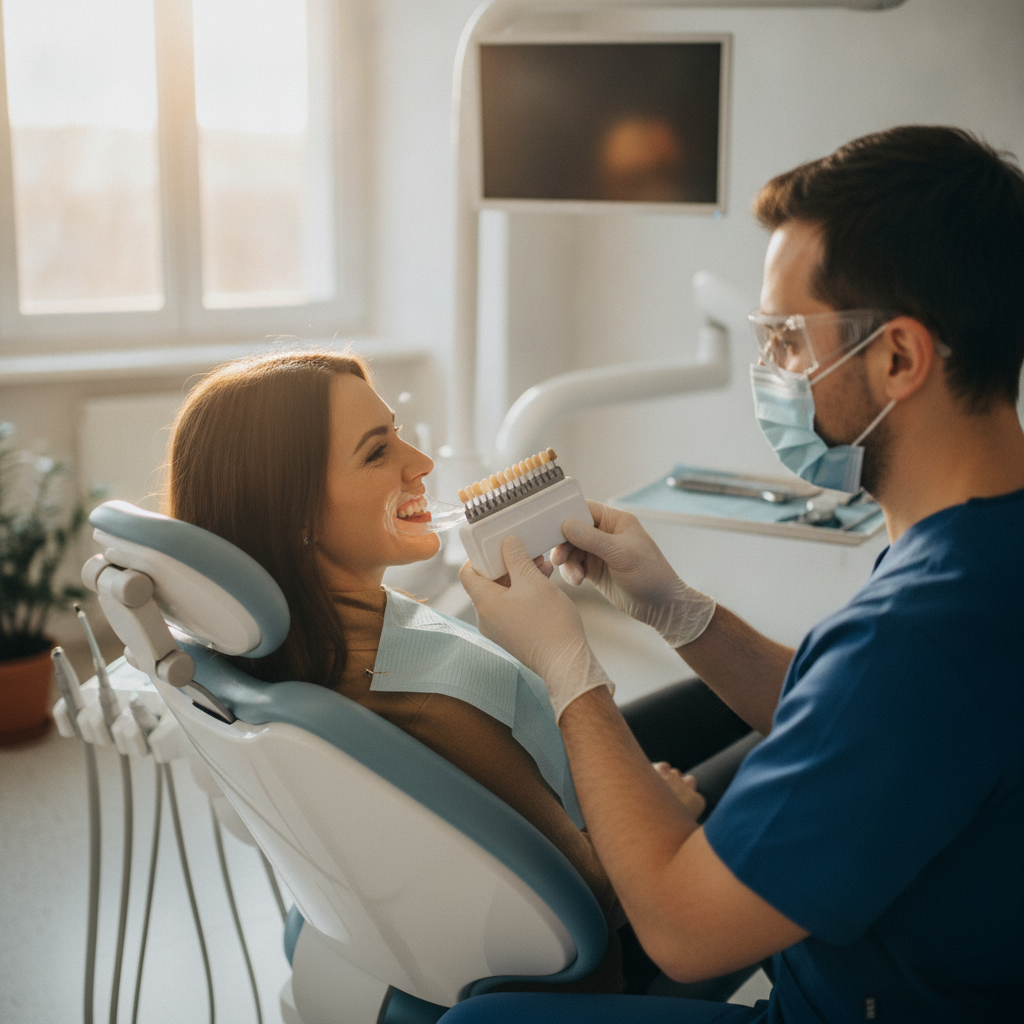
A typical in-office whitening visit includes a shade check, lip and gum isolation, application of peroxide gel, optional light activation, and 1–3 gel cycles with rinse and re-shade. Most appointments last about an hour, and many patients see noticeable improvement after the first cycle.
- Shade baseline: We record your starting shade with a guide and photos.
- Soft-tissue isolation: Cheek retractors and a protective gum barrier keep gel away from lips and gums.
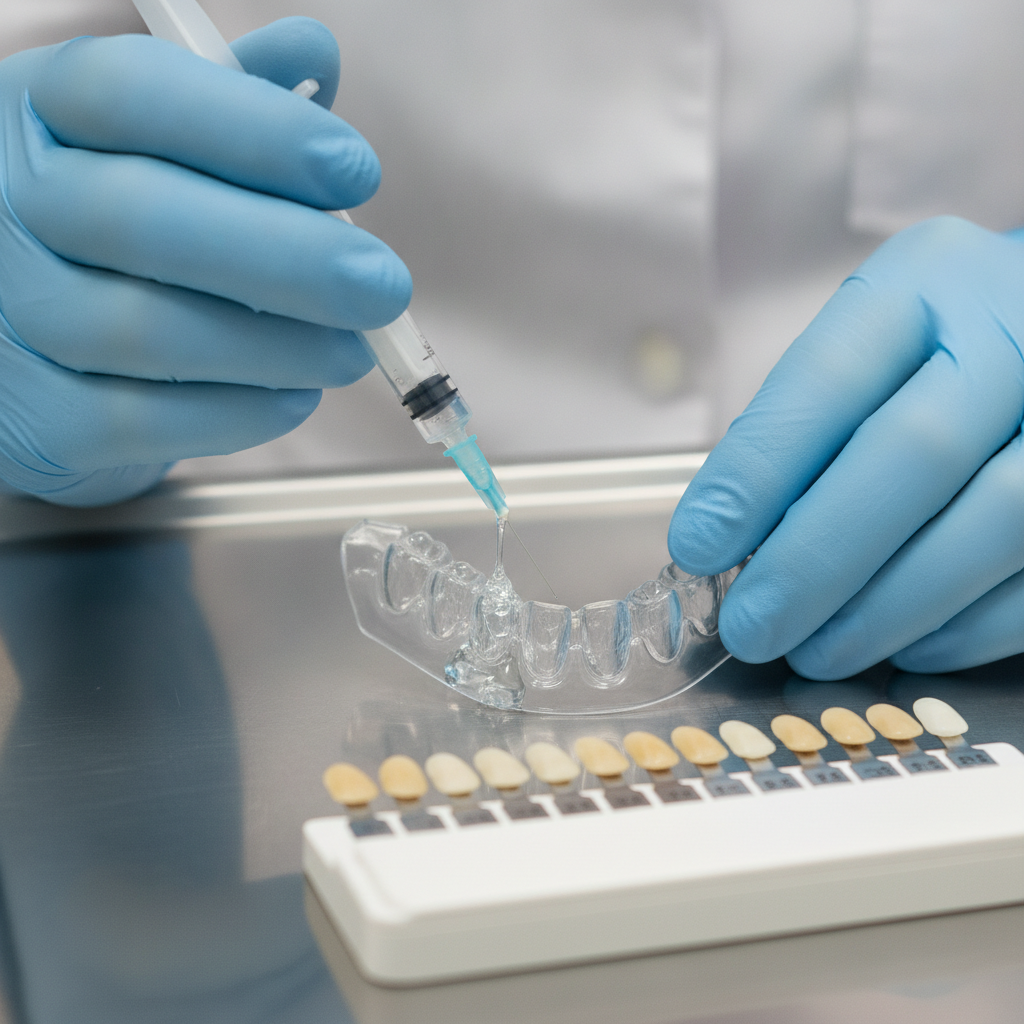
- Gel application: A calibrated hydrogen peroxide gel is brushed on enamel surfaces.
- Activation and dwell: Some systems use a light; others rely on time and gel chemistry.
- Rinse and repeat: We refresh gel 1–3 times, rechecking shade between cycles.
- Desensitizing: A relief gel or varnish helps calm temporary sensitivity.
- Aftercare plan: You’ll get guidance on foods, drinks, and maintenance trays if appropriate.
Most extrinsic stains respond predictably. Deeper discoloration (such as long-standing tetracycline staining) may need staged whitening and, in some cases, restorative options like conservative cosmetic work to reach your goal shade.
How to Choose a Teeth Whitening Dentist in Scarborough
Choose a teeth whitening dentist by checking training, protective protocols, sensitivity management, shade documentation, and follow-up support. Prioritize clinics that combine gentle care with flexible scheduling and offer both in-office and take-home options tailored to your smile.
When you evaluate providers, make sure the practice offers a pre-whitening exam, isolation barriers, and desensitizing routines. Ask how they document shade change and how they coordinate whitening with fillings, crowns, or bridges. A clinic that can support emergencies and routine cleanings helps you maintain results long term.
- Clinical safeguards: Look for cheek retractors, gingival barriers, and measured gel exposure.
- Sensitivity plan: Ask about fluoride varnish, potassium nitrate gel, or staged appointments.
- Result tracking: Ensure shade guides and photos are part of the process.
- Flexible access: Evening or weekend options help families and busy professionals.
- Integrated services: Whitening that’s coordinated with restorations and hygiene maximizes outcomes.
Local considerations for Scarborough
- Plan your appointment around community errands near Warden Sheppard Plaza so you can avoid staining foods and drinks right after treatment.
- Seasonal tip: Summer selfies at Wishing Well Park are popular; schedule whitening 7–10 days before events to allow any sensitivity to settle.
- If you commute, book earlier slots to minimize post-visit coffee cravings; bring a water bottle to stay hydrated instead.
SR Smile Care combines gentle technique, personalized attention, and modern tools. Explore our approach and policies on direct billing and convenience to make your visit as simple as possible.
Types of Whitening: In-Office, Custom Trays, OTC
Professional whitening options include fast in-office treatments and custom take-home trays; over-the-counter products add convenience with lighter results. The right choice depends on your stain type, timeline, sensitivity, and whether you need to coordinate with existing dental work.
| Method | Common Agent | Time to Results | Shade Change | Best For | Supervision |
|---|---|---|---|---|---|
| In-office whitening | Hydrogen peroxide | Single 60–90 min visit | Significant in one day | Events, deep extrinsic stains | Dentist-directed |
| Custom take-home trays | Carbamide peroxide | 1–2 weeks (daily use) | Gradual, controlled | Maintenance, sensitive teeth | Dentist-guided |
| OTC strips/pens | Lower-concentration peroxide | 2–4 weeks | Subtle to moderate | Very mild stains | Unsupervised |
If you’ve got heavy tartar or surface buildup, a cleaning improves any whitening system’s effectiveness. For internal discoloration from cavities or old fillings, restorative care may be needed; our onsite dentist provides fillings and restorations and our team places tooth-colored fillings to match your new shade.
Thinking about whitening? Let’s talk.
Have sensitivity or a tight timeline? Book a brief smile assessment at SR Smile Care. We’ll review your goals, check enamel health, and map a whitening plan that fits your schedule—then coordinate cleanings or restorative work as needed.
Best Practices Before and After Whitening
Prep with a professional cleaning, fix active decay, and pause staining habits just before whitening. After your visit, avoid dark foods and drinks for 24–48 hours, use desensitizing toothpaste, and schedule maintenance cleanings to keep results bright.
Before whitening
- Get a checkup and cleaning: Remove plaque and tartar that block gel contact.
- Stabilize oral health: Treat cavities or gum inflammation so whitening is comfortable.
- Pause staining habits: Minimize coffee, tea, red wine, and smoking before your visit.
- Photos and goals: Align on a target shade and understand what restorations can and can’t do.
After whitening
- 24–48-hour “white diet”: Favor water, milk, fish, rice, bananas, and plain yogurt; avoid strong pigments.
- Desensitize: Use a potassium nitrate toothpaste; consider a fluoride varnish at your visit.
- Mind temperature swings: Very hot or cold foods can trigger temporary zingers right after treatment.
- Plan maintenance: Custom trays can refresh brightness; pair with routine dental cleanings.
Families appreciate that SR Smile Care offers prevention beyond cosmetics. We provide hygiene visits, safety education on whitening, and restorative care under one roof so you don’t have to juggle multiple clinics.
Tools and Resources We Use
Reliable whitening results come from precise diagnostics and materials: calibrated shade guides, isolation tools, medical-grade peroxide gels, and desensitizers. Photos document progress, and custom trays support touch-ups to maintain your brighter smile.
- Shade tracking: Standardized guides and photography for before/after documentation.
- Isolation systems: Cheek retractors and gingival barriers to protect soft tissue.
- Peroxide gels: Dentist-grade hydrogen or carbamide peroxide matched to your sensitivity and goals.
- Desensitizing agents: Fluoride varnish or potassium nitrate to reduce zingers.
- Custom trays: For maintenance or gradual brightening at home with guidance.
If you like reading around the topic, this methods comparison primer and this plain-language whitening 101 overview explain common systems and ingredients. For protection-focused readers, see a practical guide to enamel-friendly habits.
Mini Case Examples from Scarborough Patients
Real-world results show how supervised whitening adapts to each smile. These anonymized cases illustrate timelines, sensitivity control, and how whitening coordinates with fillings or crowns to match your new shade.
- “Coffee every morning”: After a cleaning and one in-office session, a working parent saw a visible shade lift and used custom trays for two weeks to fine-tune brightness.
- “Wedding countdown”: A couple scheduled whitening three weeks before photos. Sensitivity gel and a short white-diet window helped preserve luster for the big day.
- “Old front filling”: We whitened first, then replaced a visible composite so it matched the new color—no dark line in photos.
- “Medication staining”: Staged whitening improved overall shade; we discussed restorative options for deeper bands that don’t respond fully.
Teeth Whitening Dentist: FAQ
These quick answers address common whitening questions about safety, sensitivity, longevity, and what restorations can and can’t do. For personalized guidance, book a short consultation so we can tailor the plan to your smile and timeline.
How long do professional whitening results last?
Results typically last several months and up to a year or more with good habits. Coffee, tea, red wine, and smoking can shorten longevity. Maintenance cleanings and occasional touch-ups with custom trays help preserve your new shade.
Is whitening safe for sensitive teeth?
Yes, when supervised. Your dentist can stage treatments, choose gentler gels, and use desensitizing agents to reduce zingers. Addressing gum recession or exposed roots before whitening also improves comfort and outcomes.
Will crowns, veneers, or fillings whiten too?
No. Whitening changes natural enamel only. If visible restorations don’t match after whitening, your dentist can replace them to the brighter shade once your final color stabilizes.
Do I need a cleaning before whitening?
Usually yes. Plaque and tartar block gel contact and reduce results. A fresh cleaning improves evenness and comfort. Many patients schedule whitening within a week or two of their hygiene visit.
How soon before an event should I whiten?
Plan at least 1–2 weeks ahead. That allows any temporary sensitivity to settle and gives time for fine-tuning with trays if desired. For photos, avoid strong pigments for the first 24–48 hours after treatment.
Conclusion and Next Steps
The best whitening plan balances speed, shade change, and comfort—guided by a qualified dentist. Start with a cleaning and exam, choose the method that fits your timeline, and protect your investment with smart aftercare and routine maintenance.
Key takeaways
- Professional isolation, gel control, and desensitizing make treatment safer and more predictable.
- In-office whitening is fastest; custom trays help maintain brightness over time.
- Cleanings, shade tracking, and enamel-friendly habits preserve your new color.
- Coordinate whitening with fillings, crowns, or bridges for a seamless smile.
Next steps
- Book a pre-whitening checkup and cleaning at SR Smile Care.
- Discuss sensitivity history and choose in-office, take-home trays, or a hybrid plan.
- Set your event timeline and follow a 24–48-hour white diet after treatment.
Ready for a brighter smile? Schedule your whitening consultation in Scarborough with a gentle, patient-first team. We welcome new patients and can coordinate care with our onsite dentist for fillings and restorations when needed.