
Teeth cleaning services are professional dental hygiene appointments that remove plaque, tartar, and surface stains to help prevent cavities and gum disease. Scheduled every 3–9 months based on your oral health, they lower the risk of decay and gingivitis and keep breath fresh. In Scarborough, SR Smile Care delivers gentle, modern cleanings for all ages.
By SR Smile Care • Last updated: July 3, 2026
Quick summary
Professional teeth cleanings remove hardened tartar and sticky plaque, polish enamel, and reinforce teeth with fluoride. Pair biannual or quarterly visits with daily brushing and interdental cleaning for the best results. Families in Scarborough trust SR Smile Care for gentle techniques, flexible scheduling, and prevention-first care.
- What a dental cleaning includes and how long each step takes
- How often children, adults, and seniors should book
- Home habits that extend the results between visits
- Add-ons like fluoride, sealants, and desensitizers
- Local tips for planning visits in Scarborough
Start here: Hook and table of contents
If you want fewer cavities, healthier gums, and a brighter smile, stick to a cleaning rhythm that matches your risk. In our clinic, consistent recall visits cut plaque and bleeding sites, and patients report fresher breath within days. Use this guide to make each visit count.
- What teeth cleaning services include
- Why cleanings matter
- How a cleaning works (step-by-step)
- Types, methods, and add-ons
- Best practices between visits
- Tools and resources
- Real-case examples
- Frequently asked questions
- Conclusion and next steps
What are teeth cleaning services?
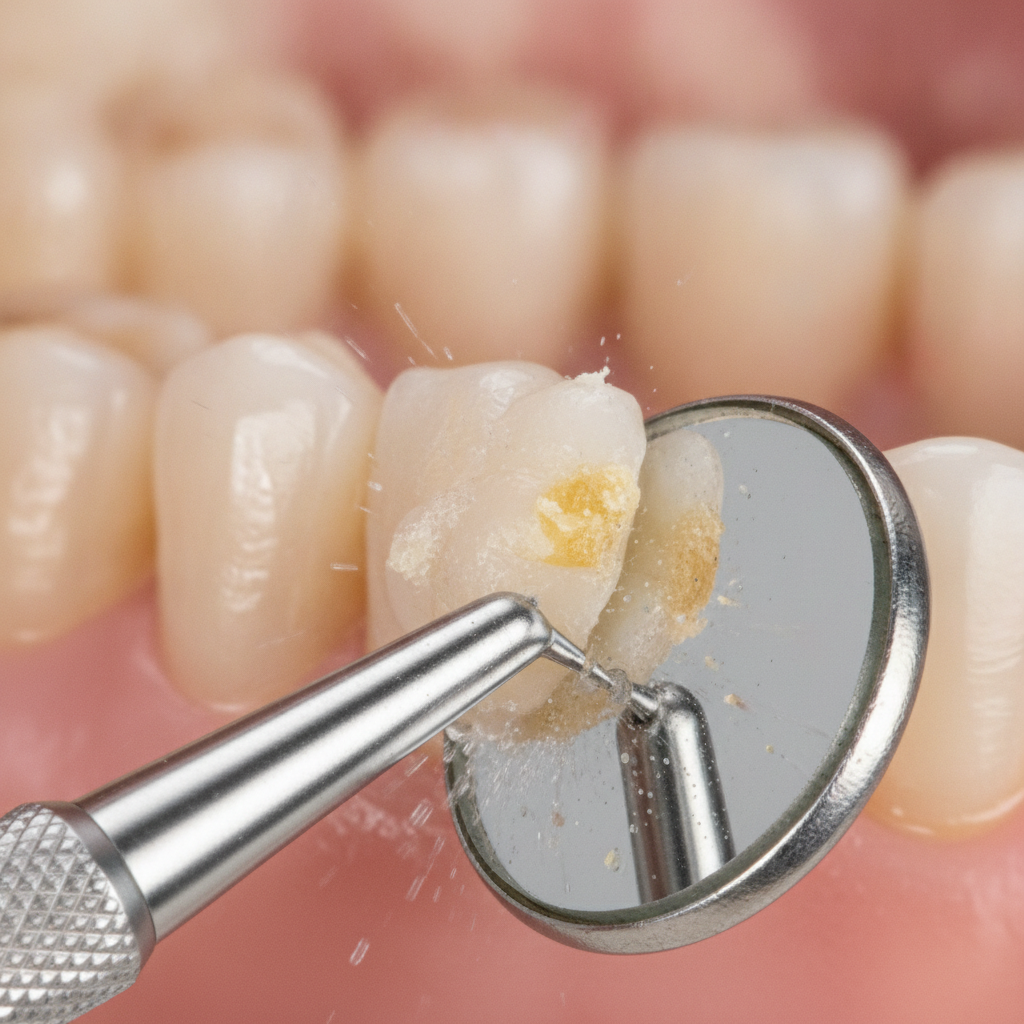
Teeth cleaning services remove plaque and tartar above and below the gumline, smooth and polish enamel, and finish with fluoride to strengthen teeth. Hygienists measure gum pockets, screen for oral changes, and tailor home-care coaching so you leave cleaner, brighter, and confident about next steps.
Here’s the thing: prevention pays off. Sticky biofilm can harden into tartar in roughly 24–72 hours, and once calcified, your brush can’t lift it. Professional scalers break down deposits safely while preserving enamel. A thorough exam also flags early concerns (like bleeding gums, recession, or enamel wear) before they become complex.
- Full-mouth assessment: Health history review, gum measurements (periodontal charting), bite and enamel checks, and oral cancer screening.
- Scaling: Ultrasonic vibration and water flush loosen heavy buildup; hand instruments refine tight spots.
- Polishing: Fine paste smooths enamel to slow future plaque attachment and lift surface stains.
- Fluoride support: Varnish or gel encourages re-mineralization in areas at higher risk.
- Personalized coaching: Practical brushing, flossing, and interdental tool tips that fit your routine.
In our experience with Scarborough families, patients who combine regular cleanings with tailored home routines see fewer bleeding sites and need fewer urgent visits. That’s the goal: simple, comfortable care that keeps smiles strong.
Why teeth cleaning matters
Regular dental cleanings reduce your risk of gum disease, tooth decay, and bad breath. They also surface early signs—like gum inflammation, enamel erosion, or suspicious lesions—so your plan stays conservative and comfortable. Prevention is reliable, repeatable, and far easier than repairing damage.
Gum disease often starts quietly. Plaque bacteria irritate gums, causing swelling and bleeding. When left alone, pockets deepen and tartar creeps below the gumline. A steady cleaning rhythm interrupts that cycle. Most healthy adults thrive on 6-month visits; those with higher risk—orthodontics, dry mouth, or gum history—benefit from 3–4 month recalls.
- Health impact: Healthier gums are linked with better outcomes for systemic conditions. Cleaner mouths also feel better day to day.
- Appearance: Polishing lifts surface stains from coffee, tea, and wine, brightening your smile.
- Fresh breath: Removing plaque and tongue bacteria helps neutralize odors.
- Confidence: Knowing your mouth is on track lowers anxiety about dental care.
Teeth cleaning services also set a strong foundation for cosmetic goals. Whitening, for example, works best on plaque-free enamel because color change appears more even across teeth. We often schedule whitening shortly after a routine cleaning for this reason.
How professional cleaning works (step-by-step)
A professional cleaning follows a proven sequence: assess, scale, polish, floss, and strengthen with fluoride. Your hygienist tailors tools and pacing to your sensitivity and risk factors, then documents findings for proactive checkups and home-care adjustments.
- Assessment and screening (5–10 min): Medical history, gum measurements, mobility checks, and tissue screening.
- Ultrasonic scaling (10–20 min): Vibrations and water spray disrupt heavy plaque and tartar with minimal pressure.
- Hand scaling (5–15 min): Precision work for tight contacts and under-gum areas.
- Polishing (3–8 min): Finishing step to smooth enamel and lift superficial stains.
- Floss + rinse (2–4 min): Ensures contact areas are clear; confirms there’s no residual grit.
- Fluoride (2–4 min): Varnish or gel supports re-mineralization in high-risk zones.
- Action plan (2–5 min): Recall interval, home-care tweaks, and any recommended add-ons.
On average, a routine adult cleaning and exam blocks about 40–60 minutes. Periodontal therapy may be scheduled by quadrant to keep each visit comfortable and focused. In our practice, patients appreciate gentle pacing, numbing gels when indicated, and clear aftercare guidance.
Types, methods, and add-ons
Cleanings range from routine prophylaxis for healthy gums to scaling and root planing (SRP) for active gum disease. Ongoing periodontal maintenance protects healing. Add-ons—like fluoride, sealants, and desensitizers—boost comfort and long-term protection for kids and adults.
Who benefits most from each type
- Routine prophylaxis: Healthy gums; great for prevention and stain removal.
- Periodontal therapy (SRP): Active gum disease; cleans below gums and smooths roots.
- Periodontal maintenance: Post-therapy support; holds gains with 3–4 month visits.
Helpful add-ons we use at SR Smile Care
- Fluoride treatments: Especially useful for kids, seniors, and patients with dry mouth.
- Dental sealants: Shields deep grooves on molars—ideal for cavity-prone children.
- Desensitizing pastes: Calms sensitivity so you leave comfortable.
For a straightforward overview of how professional cleanings are structured, this step-based cleaning guide is a clear read. For families planning kids’ add-ons, a concise sealants explainer highlights why protecting new molars early pays dividends.
| Type | Best for | Key signs | Typical recall | Visit length |
|---|---|---|---|---|
| Routine prophylaxis | Healthy gums | Mild staining, light tartar | Every 6 months | 40–60 minutes |
| Scaling & root planing (SRP) | Active gum disease | Bleeding gums, deep pockets | Re-eval at 6–8 weeks | Per quadrant: 45–90 minutes |
| Periodontal maintenance | Post-SRP stability | Reduced bleeding, healing gums | Every 3–4 months | 40–60 minutes |
Best practices between visits
Great home care doubles the impact of professional cleanings. Brush twice daily for 2 minutes, clean between teeth once a day, choose fluoride toothpaste, and hydrate often. If you’re higher risk, add a nightly fluoride rinse and schedule shorter recall intervals.
Home-care checklist
- Brush 2× daily: Use a soft or electric brush; angle 45° to the gumline.
- Interdental cleaning: Floss or use interdental picks once daily.
- Tongue cleaning: A quick scrape reduces odor-causing bacteria.
- Fluoride toothpaste: Strengthens enamel against acids.
- Hydration habit: Water between meals helps buffer acids.
- Snack strategy: Group sweets with meals; avoid all-day sipping.
- Brush-head cadence: Replace every 3 months or when bristles fray.
Signs you may need to come in sooner
- Gums bleed when brushing or flossing
- Persistent bad breath despite routine care
- New sensitivity to cold, sweet, or touch
- Braces or aligners complicate daily cleaning
- Medical changes (dry mouth, new meds)
Local considerations for Scarborough
- Plan family cleanings around errands near Warden Sheppard Plaza to keep everyone on a simple, repeatable schedule.
- Dry winter air can irritate gums—bring lip balm and ask about fluoride updates during colder months.
- Before a weekend at Wishing Well Park, pack a travel brush and water bottle for kids to protect new sealants and polishing.
Tools and resources we recommend
Simple upgrades compound results: an electric brush with a pressure sensor, floss or interdental brushes that match your spacing, and a fluoride rinse if you’re high risk. Pair these with routine professional checkups and a short written plan you can stick to.
- Electric toothbrush: Pressure feedback helps prevent over-brushing.
- Interdental options: Picks or small brushes for tight or wide spaces.
- Nightly fluoride rinse: Adds a protective layer where enamel needs it most.
- Tongue cleaner: Reduces compounds that cause odor.
- Weekly tracker: A two-minute habit checklist keeps routines on autopilot.
Looking for more actionable ideas? These practical teeth cleaning tips mirror much of what we teach in-chair—and they’re easy to start tonight.
Need a personalized plan? Book a friendly assessment at SR Smile Care. We welcome new patients, offer flexible appointments, and provide prevention-first care for families across Scarborough. Start here: request a visit.
Real-world examples from SR Smile Care
We tailor teeth cleaning services to your goals. Families like paired appointments, anxious patients appreciate gentle pacing and topical numbing, and busy professionals book lunchtime visits. Preventive add-ons—like sealants and fluoride—help kids avoid cavities and keep smiles bright.
- Young professional: Coffee stains lifted with careful polishing; recall set at 6 months, then extended after consistent home care and fewer bleeding sites.
- Parent + child: Back-to-back cleanings; child received sealants on new molars the same day for one-and-done convenience.
- Sensitivity case: Desensitizing paste used during scaling; a two-week at-home fluoride gel calmed cold sensitivity.
- Gum disease control: SRP in quadrants with 6–8 week re-evaluation; maintenance every 3 months stabilized tissues.
We’ve found that small, steady habits—two minutes twice daily and a recall you can keep—outperform sporadic “catch-up” care every time.
Frequently asked questions
Most patients do well with cleanings every 6 months; higher-risk mouths benefit from 3–4 month intervals. Expect assessment, scaling, polishing, flossing, and fluoride, plus personalized tips that match your routine and goals.
How often should I schedule teeth cleaning services?
Biannual visits work for many adults. If you have braces, a history of gum disease, dry mouth, or frequent snacking, a 3–4 month recall helps keep bacteria in check and reduces inflammation. Your hygienist will tailor the interval to your risk.
What happens during a professional cleaning?
You’ll receive an assessment, ultrasonic and hand scaling to remove tartar and plaque, polishing to smooth enamel, flossing and rinse, and fluoride to reinforce enamel. Expect practical coaching on brushing and interdental care you can use the same day.
Do cleanings make teeth whiter?
Cleanings remove buildup and surface stains, so teeth often look brighter right away. For deeper shade change, schedule professional whitening after a cleaning—plaque-free enamel responds more evenly and predictably.
Are cleanings safe if my gums bleed?
Yes. Bleeding usually signals inflammation, not harm from cleaning. A gentle, thorough visit reduces bacterial load and supports healing. We’ll adapt tools, pacing, and numbing options to keep you comfortable while gums recover.
Conclusion and next steps
Preventive cleanings are the simplest, most reliable way to protect your smile. Combine a realistic recall rhythm with two minutes of brushing twice daily, interdental cleaning, and targeted fluoride. Ready to reset your routine? Book a visit—we’ll tailor a plan for you.
- Pick a recall you can keep—every 6 months for most, 3–4 months for higher risk.
- Upgrade one tool this week (electric brush, interdental picks, or fluoride rinse).
- Pair cleanings with whitening or sealants when helpful for your goals.
- Bring questions—we love crafting routines that fit busy Scarborough families.
Key takeaways
Cleanings remove what brushes can’t, lower gum disease risk, and brighten smiles. Set a repeatable schedule, upgrade one home-care tool, and use fluoride strategically. SR Smile Care makes prevention comfortable and convenient for Scarborough families.
- Teeth cleaning services target plaque and tartar that home tools miss.
- Biannual or quarterly visits keep gum inflammation under control.
- Fluoride, sealants, and desensitizers personalize protection.
- Local tips and paired family bookings make consistency easy.