
Professional teeth cleaning is the in‑clinic removal of plaque and hardened tartar above and below the gumline, followed by polishing and prevention coaching. It lowers the risk of cavities and gum disease and supports whole‑body health. In Scarborough, SR Smile Care provides gentle, modern hygiene visits for patients of all ages.
By SR Smile Care • Last updated: June 30, 2026
Above-Fold Overview & Table of Contents
A professional teeth cleaning visit includes assessment, precise tartar removal, tooth polishing, and personalized home‑care guidance. Expect a 45–60 minute appointment, gentle techniques, and clear next steps. Use this guide to understand why cleanings matter, how they work, and how to plan a smooth visit in Scarborough.
Here’s the quick view of what you’ll learn and how to use it today.
- What happens: assessment, scaling, polishing, fluoride, and prevention tips.
- Why it matters: fresher breath, fewer cavities, healthier gums, and confident smiles.
- How often: typically every 6–12 months; 3–4 months if you’re in periodontal maintenance.
- Comfort options: numbing gels, pacing, breaks, and gentle, modern tools.
- Family focus: visits tailored for kids, adults, and seniors—one convenient Scarborough clinic.
- Navigation: What it is | Why it matters | How it works | Types | Best practices | Tools | Examples | FAQ | Key takeaways | Next steps
Quick Summary
Professional cleanings prevent gum disease by removing tartar that toothbrushes can’t. Plaque can harden within 24–72 hours, so scheduled hygiene care plus daily brushing and flossing are essential. SR Smile Care delivers comfortable, age‑appropriate cleanings and prevention coaching to help Scarborough families keep smiles healthy year‑round.
Use this section as your at‑a‑glance recap before you dive deeper.
- Core steps: assessment, ultrasonic scaling, hand scaling, polishing, topical fluoride as needed.
- Time: most visits run about 45–60 minutes; complex gum care can take longer.
- Interval: 6–12 months for routine care; 3–4 months for periodontal maintenance.
- Who benefits: kids building habits, adults managing busy schedules, seniors protecting enamel and roots.
- Bonus: cleanings pair well with a same‑day dental exam and oral cancer screening.
What Is Professional Teeth Cleaning?
Professional teeth cleaning is a preventive dental appointment where a hygienist removes plaque and tartar above and below the gumline, polishes teeth, and provides home‑care coaching. It reduces cavity and gum‑disease risk and supports early detection when combined with a dentist’s exam and screenings.
At SR Smile Care, a hygiene visit focuses on prevention and comfort. You’ll meet with a licensed professional who evaluates gum health, targets buildup with precision, and reviews habits in simple, practical terms. When appropriate, our onsite dentist checks fillings, crowns, and restorations to ensure everything functions well.
- Why this matters: tartar (calculus) anchors bacteria; removing it lowers inflammation and preserves bone support.
- What it includes: periodontal measurements, targeted scaling, selective polishing, and tailored prevention tips.
- Who it serves: new patients, families, and anyone aiming to avoid emergencies through proactive care.
- Related care: dental exam, fluoride treatments, sealants, and oral cancer screening fit naturally alongside cleanings.
In our experience with Scarborough families, pairing professional teeth cleaning with routine exams catches small issues before they become urgent—especially in kids learning technique and in seniors managing dry mouth or root exposure.
Why Professional Teeth Cleaning Matters
Regular cleanings disrupt the plaque–tartar cycle that fuels gum inflammation and decay. By removing hardened deposits and coaching daily care, your hygienist helps prevent gingivitis from advancing to periodontitis and supports fresher breath, stronger enamel, and more confident smiles.
Here’s why consistent hygiene visits pay off for your health and calendar.
- Gum defense: removing tartar lowers bleeding and tenderness, making pockets easier to keep clean day to day.
- Early detection: cleanings paired with a dental exam reveal tiny chips, leaking fillings, or early cavities.
- Whole‑body support: healthy gums reduce chronic oral inflammation, which is better for long‑term wellness.
- Confidence boost: polished enamel and cleaner gumlines support naturally brighter smiles.
- Proactive habits: short daily rituals—2 minutes twice a day, plus once‑daily between‑teeth cleaning—compound fast.
We’ve found that when Scarborough parents model simple routines, kids mirror them quickly. A 6‑month cadence builds a rhythm; if gum disease is active, 3–4 month maintenance keeps healing on track between visits.
How Professional Teeth Cleaning Works (Step‑by‑Step)
Expect a friendly check‑in, gum measurements, precise tartar removal with ultrasonic and hand instruments, polishing, and targeted fluoride as needed. Appointments usually take 45–60 minutes. You’ll leave with clear home‑care steps and a timeline for your next visit.
Here’s the visit, broken into simple steps you can follow.
- Medical and risk review: medications, dry‑mouth risks, sugar frequency, sensitivity, and home tools.
- Periodontal charting: gum measurements and bleeding points show where bacteria collect.
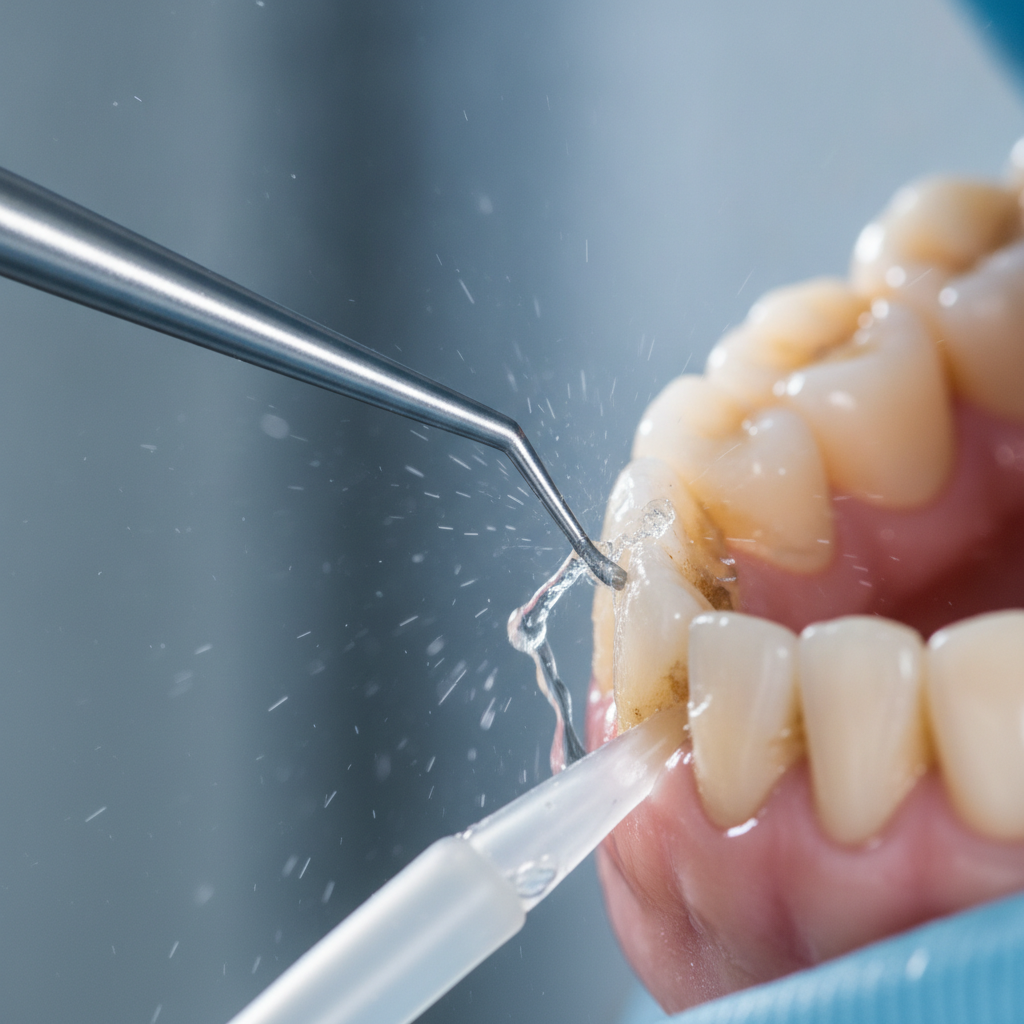
- Ultrasonic scaling: high‑frequency vibration breaks calculus; water flushes debris for comfort.
- Hand scaling: fine instruments smooth above and below the gumline for a clean finish.
- Polishing: selective pastes remove surface stain and biofilm; floss checks contacts.
- Fluoride or desensitizer: varnish for sensitivity or cavity risk; sealants for deep grooves in kids.
- Review and plan: brushing and flossing tweaks, interval guidance (6–12 months or 3–4 months), and follow‑ups.
Calcification can begin within 24–72 hours, so the combination of precise professional care and daily home care is what keeps gums healthy between appointments.
Types and Approaches to Teeth Cleaning
Cleanings fall into three main categories: routine prophylaxis for healthy gums, scaling and root planing for active gum disease, and periodontal maintenance every 3–4 months after therapy. Your hygienist recommends the right type based on gum measurements, bleeding, and X‑rays.
Use this comparison to understand what your provider recommends and why.
| Cleaning Type | Best For | Typical Interval | What Happens | Comfort Notes |
|---|---|---|---|---|
| Routine Prophylaxis | Healthy gums, light to moderate tartar | Every 6–12 months | Ultrasonic + hand scaling above/below gumline; polish; fluoride as needed | Usually comfortable; optional numbing gel for tender spots |
| Scaling & Root Planing | Active periodontitis with 4–6 mm pockets, bleeding | Therapeutic series, then re‑evaluation | Quadrant or half‑mouth deep cleaning to smooth roots and reduce bacteria | Local anesthesia often used; post‑care instructions provided |
| Periodontal Maintenance | History of gum disease after therapy | Every 3–4 months | Targeted scaling in pocket areas; ongoing monitoring; selective polishing | Comfortable pacing; supports long‑term stability |
Not sure which category fits you? Bring your questions. We’ll review pocket depths, bleeding, X‑rays, and lifestyle to land on the right approach and interval for your mouth—not a one‑size‑fits‑all plan.
Best Practices Before, During, and After Your Visit
Set yourself up for success: arrive hydrated, share medications, and mention concerns. During the cleaning, ask for breaks or numbing gel if needed. Afterward, follow stain‑avoidance guidance if fluoride varnish is applied and resume gentle brushing and flossing the same day.
Practical tips our Scarborough patients find helpful.
- Before
- Brush and clean between teeth the morning of your visit (a water flosser helps if dexterity is limited).
- Bring a current medication list and note any sensitivity or dry mouth.
- Eat lightly 1–2 hours prior; avoid sticky snacks right before your appointment.
- During
- Ask for a short pause if you need it—comfort pacing is built into our process.
- Request topical numbing for tender spots or deeper scaling.
- Use headphones to tune out sounds if you’re anxious.
- After
- If fluoride varnish was placed, avoid very hot drinks and deep‑colored foods for a few hours.
- Resume brushing and interdental cleaning the same day; focus two full minutes twice daily.
- Schedule your next 6–12 month or 3–4 month visit before you leave so it stays on your calendar.
Families juggling school and activities often prefer after‑school or early‑evening slots. We keep flexible scheduling so your prevention plan fits real life—not the other way around.
Tools and Resources We Use and Recommend
Your cleaning relies on modern instruments—ultrasonic scalers, hand instruments, periodontal probes, selective polishing, and fluoride varnishes. At home, use a soft brush for 2 minutes twice daily and clean between teeth once daily. Ask us about electric brushes and water flossers if your hands get tired.
Here’s a look at the technology we use in‑clinic and the resources we routinely recommend to patients.
- In‑clinic tools: ultrasonic scaler for efficient calculus disruption; fine hand scalers for precision; high‑volume suction for comfort; air/water syringe for visibility; prophy handpiece with selective pastes; fluoride and desensitizing varnishes.
- Home‑care helpers: soft manual or electric toothbrush, interdental brushes or floss, water flosser, fluoride toothpaste, and xylitol mints or gum if you have dry mouth.
For general overviews written in patient‑friendly language, see these plain‑English guides to cleanings and children’s hygiene (they’re not our sites): read this helpful cleaning overview, a concise page on what a cleaning involves, and a primer on kids’ teeth cleaning. Bring any questions from those articles to your appointment—we’re happy to clarify.
Scarborough Case Studies and Real Examples
Real outcomes show the power of consistent hygiene. From reducing bleeding to helping kids build habits and protecting seniors from root decay, cleanings deliver measurable improvements when paired with daily home care and the right recall interval.
We see consistent patterns across families in our community. Here are a few anonymized snapshots that mirror everyday wins.
- Busy parent near Warden Sheppard Plaza: Came in with bleeding gums and 4–5 mm pockets. We mapped bleeding points, completed two sessions of targeted scaling, and set 3‑month maintenance. At the next visit, bleeding sites dropped and pockets improved.
- Child who hated “scratchy” teeth: Using tell‑show‑do and gentle pacing, we completed polishing and placed sealants on deep molar grooves. A simple sticker chart at home helped with nightly brushing for 2 minutes. Six months later, stain and plaque were minimal.
- Senior managing dry mouth: We added fluoride varnish at each visit and suggested a night‑time fluoride gel. Pairing that with sugar‑free xylitol mints between meals led to fewer new lesions over 12 months.
- Weekend hockey player: Recurrent gum tenderness after games. We focused on interdental brushes for tight contacts and switched to a soft‑bristle electric brush. Tenderness resolved within weeks.
- Bridlewood Park dog‑walker: Coffee stains on lower incisors every 3–4 months. Selective polishing plus a whitening discussion after cleaning kept stain under control and smile brightness on goal.
These small, steady improvements add up fast. The combination of professional teeth cleaning and brief, repeatable home routines is the winning formula.
Planning Your Visit to SR Smile Care
Expect flexible scheduling, gentle techniques, and complete support under one roof. Our onsite dentist handles fillings and restorations, while our hygiene team leads prevention. We set clear intervals—6–12 months or 3–4 months—and hold urgent slots daily for true emergencies.
We designed our Scarborough clinic around comfort and clarity. New patients are welcome, and families can often coordinate back‑to‑back visits to save time. If you’re due for a dental exam, we can combine it with cleaning and oral cancer screening for a thorough check in one trip.

Local considerations for Scarborough
- Plan family appointments around errands near Warden Sheppard Plaza so everyone stays on schedule without extra trips.
- Seasonal tip: allergy season can increase gum tenderness. Book cleanings before peak pollen months to stay comfortable.
- If you’re anxious, let us know when booking. We build extra time for breaks and demonstrate tools before we start.
Book a gentle assessment with SR Smile Care. We’ll review your gum health, personalize your interval, and map an easy home routine you can maintain.
Professional Teeth Cleaning: FAQ
Get clear, fast answers to common hygiene questions. These brief responses reflect what we cover during visits so you know exactly what to expect—and what to do next to keep results lasting between appointments.
How often should I get a professional cleaning?
Most people do well with a 6–12 month interval. If you’ve had gum disease, periodontal maintenance every 3–4 months helps keep pockets stable. We’ll tailor the schedule based on gum measurements, bleeding, and your everyday habits.
What’s the difference between a regular cleaning and a deep cleaning?
A regular prophylaxis targets routine tartar and stain. Deep cleaning—scaling and root planing—treats active gum disease by smoothing roots below the gumline, often with local anesthesia. After therapy, periodontal maintenance every 3–4 months preserves healing.
Will a cleaning hurt if my gums are sensitive?
Cleanings are designed to be comfortable. Tell us where you’re tender; we can use topical numbing, adjust pressure, and pace the visit with breaks. Sensitivity usually decreases as tartar is removed and home care improves.
Do kids need fluoride and sealants?
Often, yes. Fluoride strengthens enamel and can reduce sensitivity. Sealants shield deep grooves from bacteria, especially on new molars. We’ll evaluate each tooth’s shape and risk to decide what’s helpful for your child.
Can I whiten my teeth right after a cleaning?
A cleaning is the ideal first step before whitening because stain and plaque are already removed. We’ll confirm your gums are comfortable and recommend a whitening plan that fits your goals and sensitivity level.
Key Takeaways
Professional teeth cleaning protects gums and enamel, supports early detection, and keeps breath fresh. Pair regular hygiene visits with two minutes of brushing twice daily and once‑daily interdental cleaning for the best results. A personalized interval—6–12 months or 3–4 months—keeps progress on track.
- Cleanings remove hardened tartar your brush can’t reach.
- Routine care + brief daily habits beat emergencies every time.
- Intervals are personalized: 6–12 months for routine; 3–4 months for gum disease history.
- Kids, adults, and seniors all benefit—habits just look a bit different by age.
- SR Smile Care offers prevention, exams, fillings, and screenings in one Scarborough stop.
Conclusion & Next Steps
The best time to protect your smile is now. Book a professional cleaning, align your home routine to two‑minutes‑twice‑daily plus once‑daily interdental cleaning, and follow the interval we set together. Small, consistent steps deliver big, lasting results.
Professional teeth cleaning is simple, comfortable, and powerful when paired with steady habits. If you’re due—or not sure when you last came in—let’s pick a time that works. We’ll personalize your plan, support your comfort, and help you keep a bright, healthy smile.
Ready to get started? Book a gentle hygiene visit at SR Smile Care and, if helpful, add a same‑day dental exam. Scarborough families count on us for friendly care and clear guidance.