
Preventive dental care habits are the everyday behaviours and periodic clinic actions people use to prevent tooth decay, gum disease, and other oral health problems before they need major treatment. These habits pair home routines, such as brushing and interdental cleaning, with professional measures like regular exams, cleanings, fluoride treatments and sealants. Public health guidance identifies home care plus routine dental visits as core prevention steps that reduce disease and preserve natural teeth over time, so combining daily habits with clinic visits gives the best protection for most people (Canada.ca guidance, CDC oral health tips).
Seven daily preventive dental care habits you can start now
Below are seven evidence-backed daily habits to make part of your routine. Each item addresses different risks, so doing them together is more effective than relying on a single habit alone. The list follows public health recommendations and clinical practice summaries (CDC, MedlinePlus, caring your teeth mouth.html).
- Brush twice a day with fluoride toothpaste
- Clean between teeth once a day using floss or interdental cleaners
- Use fluoride products when recommended
- Limit sugary and acidic foods and drinks
- Avoid tobacco and moderate alcohol
- Support healthy saliva and manage dry mouth
- Do quick self-checks and keep a routine schedule of clinic visits
Brush twice a day with fluoride toothpaste
Use a soft-bristled brush and clean for about two minutes, covering all tooth surfaces and the gumline. Fluoride strengthens enamel and reduces the chance of decay. Brushing twice daily is recommended by national health authorities to remove plaque and slow disease processes (CDC).
Clean between teeth once a day using floss or interdental cleaners
Brushing alone misses the spaces between teeth where plaque collects and cavities often start. Daily interdental cleaning with floss, soft picks or interdental brushes removes biofilm and reduces gum inflammation, which lowers the risk of gum disease and tooth loss over time (MedlinePlus).
Use fluoride products when recommended
Fluoride helps harden enamel and can reverse very early decay. Over-the-counter fluoride toothpaste is the baseline. For people at higher risk of cavities, dental teams may recommend in-office fluoride varnishes or prescription-strength gels. Ask your dental provider whether extra fluoride is right for you (caring your teeth mouth.html).
Limit sugary and acidic foods and drinks
Frequent sugar exposure fuels acid production by plaque bacteria, which wears away enamel. Reduce sugary snacks, avoid sipping sugary drinks all day, and rinse with water after acidic foods to protect teeth. Choosing meals over constant snacking reduces the number of acid attacks on enamel (CDC).
Avoid tobacco and moderate alcohol
Tobacco raises the risk of gum disease, tooth loss and oral cancer, and heavy alcohol use also increases cancer risk. Quitting tobacco and moderating alcohol are among the strongest preventive steps you can take for oral and overall health (caring your teeth mouth.html).
Support healthy saliva and manage dry mouth
Saliva neutralizes acids and helps clear food particles. Some medications and medical conditions reduce saliva and raise decay risk. Drink water often, chew sugar-free gum to stimulate saliva when suitable, and tell your dental team if dry mouth is a problem so they can suggest targeted measures (CDC).
Do quick self-checks and keep a routine schedule of clinic visits
Look for changes such as bleeding gums, persistent sensitivity, new lumps or sores, and loose teeth. Contact a dental professional promptly if you notice these signs. Routine scheduling—often every six months for many adults but tailored by risk—lets your dental team catch problems early and reinforce home habits (MedlinePlus, caring your teeth mouth.html).
Clinic-level preventive actions and how often to get them
Home care is essential, but professional clinic services apply preventive technologies and surveillance that cannot be done at home. Key clinic-level actions include professional dental cleanings, fluoride varnish or gels for people at higher risk, dental sealants for selected children and teens, routine oral exams, and oral cancer screening. Regular exams identify early decay and gum disease before they require invasive treatment (MedlinePlus, caring your teeth mouth.html).
- Professional cleaning removes hardened plaque and tartar that brushing cannot. Frequency ranges from every three months for high risk patients to every six months for many adults. For details see the clinic page Dental cleaning: what to expect, how often, and simple prep tips.
- Fluoride treatments are applied in clinic for people with increased decay risk, and they complement daily fluoride toothpaste.
- Dental sealants protect chewing surfaces of molars in children and teens, and they are most useful when teeth are newly erupted and at higher risk of fissure decay.
- Oral cancer screening is part of routine exams for adults, especially those with risk factors, and supports early detection.
Age-specific preventive notes for children, adults, and seniors
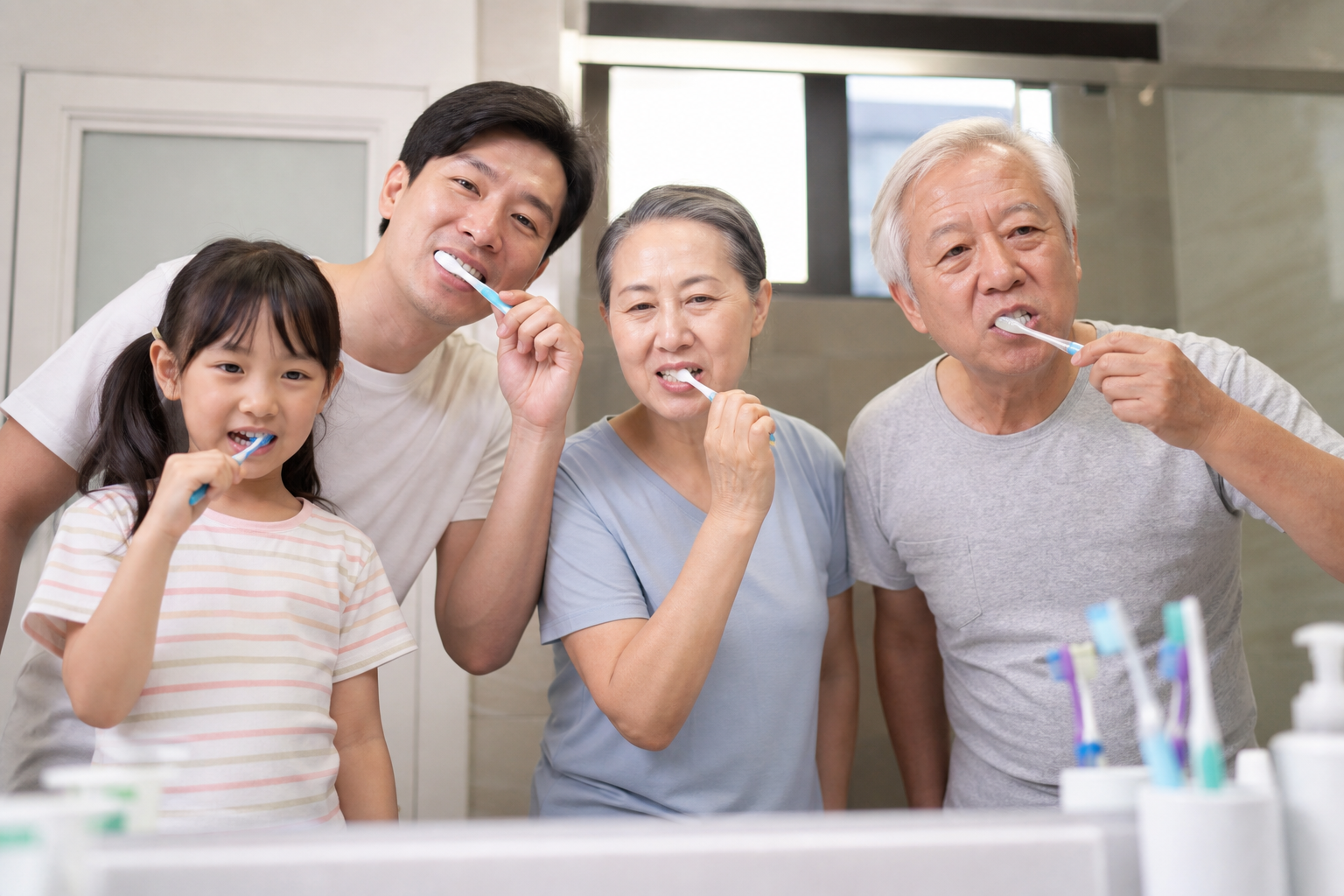
Prevention priorities shift over the life course. For children, parental supervision of brushing, an early first dental visit, and timely sealants are central. Adults should manage modifiable risk factors such as diet and smoking, review medications that cause dry mouth with their clinician, and keep regular dental visits. Seniors face higher risk for decay, gum disease, dry mouth and oral cancer, and benefit from targeted support and caregiver involvement. The Ontario Dental Association offers specific guidance for seniors and caregivers on reducing risk and maintaining oral function as needs change (ODA tips for seniors).
Common objections and how to decide what you need
People delay preventive care for many reasons: cost concerns, time constraints, dental anxiety, or the belief that brushing alone is enough. To decide what you need, consider objective criteria: Do you have bleeding gums, visible plaque, frequent cavities, a dry mouth, chronic disease, or medication use that raises risk? Have you had recent pain or infection? If any apply, professional evaluation is warranted. Routine cleanings and risk assessments are the most efficient way to tailor prevention to your needs and avoid larger costs later (caring your teeth mouth.html, MedlinePlus).
If dental anxiety is a barrier, tell the clinic when you call. Many family-focused practices offer calming strategies, shorter appointment options, and clear explanations. An onsite dentist who can treat problems promptly reduces the number of separate visits needed. SR Smile Care highlights a gentle, family-friendly approach and an onsite dentist for fillings and restorations to simplify care when issues are found (SR Smile Care).
When to book a routine visit and when to seek urgent care

Book a routine preventive visit if it has been more than six months since your last cleaning or checkup, if you have increased sensitivity, new gum bleeding, or other changes in oral health. Seek prompt or same-day care for severe, uncontrolled pain, facial swelling, spreading infection, a loose tooth after trauma, or persistent sores that do not heal. Canada.ca recommends timely contact with an oral health professional when problems occur because delays can allow conditions to worsen (caring your teeth mouth.html, MedlinePlus).
How SR Smile Care in Scarborough supports preventive dental care habits
SR Smile Care is a local, family-oriented dental clinic at 2190 Warden Ave Ste 205 in Scarborough. The practice provides professional cleanings, fluoride treatments, dental sealants, oral cancer screening and an onsite dentist for fillings and restorations, making it convenient to combine home prevention with clinic interventions. SR Smile Care welcomes new patients and indicates Canadian Dental Care Plan acceptance for eligible residents. For details about professional cleaning frequency and what to expect, see the clinic page Dental cleaning: what to expect, how often, and simple prep tips and visit the main site for booking and contact information (SR Smile Care).
Frequently asked questions
How often should I get a professional dental cleaning?
Many people benefit from a cleaning every six months, but your dental team may recommend three to twelve month intervals based on risk factors, current gum health, and medical history (MedlinePlus).
What is the correct way to floss and which tools should I use?
Use about 18 inches of floss, wrap it around your fingers, and gently slide it between teeth following the curve of each tooth. If traditional floss is difficult, try interdental brushes or soft picks. Your hygienist can demonstrate technique and recommend the best tool for your tooth spacing and dexterity (CDC).
Are dental sealants safe and when should my child get them?
Yes. Sealants are a safe, low-risk coating applied to chewing surfaces of molars to protect pits and fissures from decay. They are most effective when applied to newly erupted permanent molars, often between ages 6 and 14 depending on tooth eruption timing (caring your teeth mouth.html).
Do you accept new patients and the Canadian Dental Care Plan at SR Smile Care?
SR Smile Care welcomes new patients and indicates acceptance of the Canadian Dental Care Plan for eligible residents. Contact the clinic directly to confirm program details and book an appointment (SR Smile Care).
What options are available if I have dental anxiety or need urgent care?
Mention dental anxiety when you call and the clinic can offer shorter appointments, stepwise explanations, and gentle techniques. For urgent issues like severe pain or swelling, contact the clinic immediately to arrange prompt assessment by an onsite dentist (SR Smile Care).
Key takeaway: pairing daily preventive dental care habits with regular clinic-based prevention is the most effective way to reduce future treatment, preserve natural teeth, and support a healthy smile. If you are in Scarborough and ready to review your prevention plan, SR Smile Care can help with hygiene visits, fluoride and sealant options, and same-day restorative care when needed.
To book a preventive visit, call +1 647-368-7785 or visit SR Smile Care.