
Family cosmetic dentistry is a prevention-led approach that blends whitening, tooth-colored restorations, and gentle hygiene with whole-family care in Scarborough. It prioritizes clean, healthy teeth first, then natural-looking enhancements. This sequence delivers safer shade changes, fewer surprises, and confidence for kids, teens, adults, and seniors.
By SR Smile Care • Last updated: July 2, 2026
Above the Fold: Quick Overview & TOC
This guide explains family cosmetic dentistry in plain language, shows how treatments work step by step, and helps Scarborough families choose safe, lasting options. You’ll see real examples, pro tips, and a checklist—everything you need to plan a brighter, healthier smile in 2026 without guesswork.
Here’s what you’ll learn in minutes—not hours.
- What family cosmetic care includes, why prevention comes first, and how to time treatments
- Fast vs gradual whitening, and when tooth-colored restorations make sense
- At-home habits that protect results for kids, adults, and seniors
- Local tips for scheduling smarter in Scarborough
- A simple plan to clean, stabilize, and enhance with confidence
Table of contents
- What is family cosmetic dentistry?
- Why it matters for families in Scarborough
- How family cosmetic dentistry works
- Types of treatments and when to choose them
- Best practices for long‑lasting results
- Tools and resources we recommend
- Case studies and real‑world examples
- FAQ
- Conclusion, key takeaways, and next steps
- Related topics in family cosmetic care
What Is Family Cosmetic Dentistry?
Family cosmetic dentistry blends aesthetic smile improvements with prevention for every age. It emphasizes conservative treatments—like whitening and tooth‑colored restorations—timed around cleanings and exams. The goal is natural, durable results that support oral health, not quick fixes that fade or risk sensitivity.
In our experience working with Scarborough families, the best cosmetic results start with healthy gums and cavity‑free teeth. We align smile goals with hygiene, diet, and bite function. That means we clean first, strengthen enamel, fix what needs fixing, then enhance with whitening or restorations that look and feel natural.
Here’s the thing: cosmetic choices should fit life stages. Teens often benefit from stain removal guidance and supervised, conservative whitening. Adults may prefer an in‑office whitening session before a milestone event. Seniors tend to prioritize strong, tooth‑colored restorations that also improve chewing. This prevention‑led plan avoids whitening over decay or placing a restoration that doesn’t match the overall shade of your smile.
When enamel is smooth and plaque‑free, whitening agents contact the tooth surface more evenly. You’ll typically see more uniform shade improvement versus trying to whiten through tartar or surface stain. That’s why sequencing matters in family cosmetic dentistry.
Why Family Cosmetic Dentistry Matters in Scarborough
Family cosmetic care matters because confidence and oral health are linked. Cleaner, stronger teeth respond better to whitening and restorations, while early detection prevents complex fixes. In Scarborough, one trusted clinic for all ages streamlines visits and keeps results consistent across the family.
Confidence shows in pictures, job interviews, and daily life. Families often plan touch‑ups around graduations, weddings, and new roles. When prevention and cosmetics live under one roof, there are fewer last‑minute surprises—like discovering a tooth needs a small filling before it will whiten evenly.
Comfort and convenience matter, too. Coordinated family visits reduce missed work and school. Gentle techniques help manage sensitivity. For kids and teens, positive early experiences normalize prevention and make later cosmetic choices smoother and safer.
Local considerations for Scarborough
- Bundle errands by scheduling near Warden Sheppard Plaza—easy parking and quick access keep family care on track.
- Seasonal timing: late spring visits help teens and grads feel photo‑ready for summer events; winter appointments prep smiles for holiday gatherings.
- Active days near Wishing Well Park? A custom night guard can offset clenching after workouts and protect against micro‑fractures that collect stain.
How Family Cosmetic Dentistry Works
The process is simple: assess, clean, strengthen, then enhance. We begin with an exam and photos, complete a thorough cleaning, address issues like decay, then plan whitening or restorations. This sequence prevents sensitivity, improves shade changes, and protects your investment.
Most Scarborough families succeed with a repeatable, low‑stress plan. Use this sequence whenever life calls for a brighter look—school photos, a big presentation, or wedding season.
- Smile planning: Share goals, timing, and events; we take baseline shade photos.
- Comprehensive cleaning: Remove tartar and surface stains so whitening acts evenly.
- Stability first: Repair cavities, smooth rough edges, and recommend fluoride to reinforce enamel.
- Preview the look: Compare with a shade guide and, when appropriate, try a sample on a single tooth.
- Enhance: Choose in‑office whitening for speed or custom trays for gradual change.
- Protect: Add a night guard if you clench; schedule a follow‑up to lock in shade and comfort.
Tip: Families who book cleanings every few months find that whitening is more predictable. Even minor tartar creates uneven results, so a fresh cleaning before enhancement sets the stage for success.
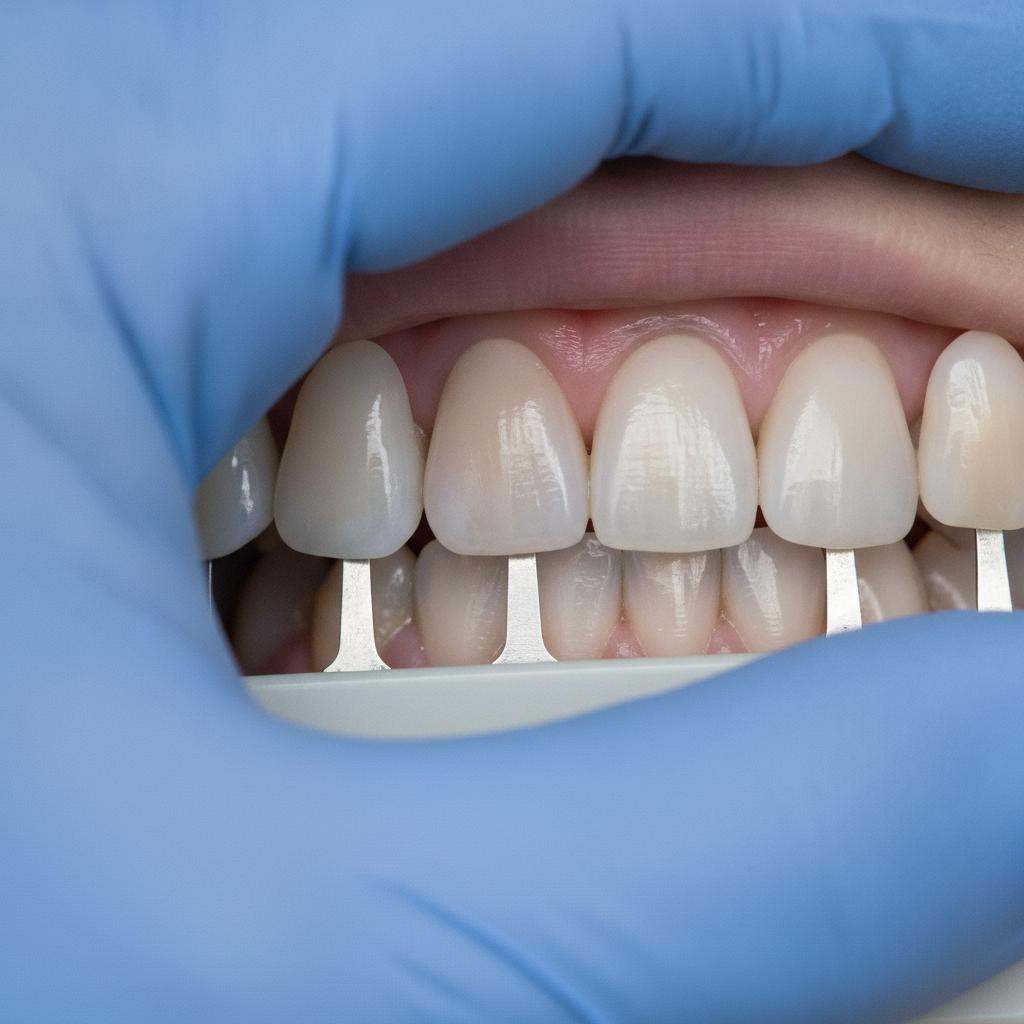
Types of Treatments and When to Choose Them
Most families choose between professional whitening, tooth‑colored restorations, and supportive therapies that keep smiles bright. Your choice depends on stain type, tooth structure, time available, and sensitivity history. A short consult maps your goals to the right option.
Whitening pathways
- In‑office whitening: Single‑visit shade change—ideal before events. Pairs well with a pre‑whitening cleaning.
- Custom take‑home trays: Gradual brightening at your pace. Excellent for sensitive teeth and long‑term control.
- Over‑the‑counter strips: Entry point for mild, uniform stains. Best when used on clean enamel and monitored for sensitivity.
Want a deeper dive on methods and expectations? This practical whitening methods comparison guide outlines how different approaches perform and what maintenance looks like over time.
Tooth‑colored restorations
- Bonding‑style fillings: Repair small chips, close tiny gaps, and mask minor discoloration while restoring function.
- Crowns and bridges: Restore shape and color on heavily worn or missing teeth while improving chewing comfort and confidence.
Supportive therapies
- Professional cleanings: Smooth, plaque‑free enamel whitens more evenly and feels cleaner longer.
- Fluoride: Reinforces enamel so it resists stain and sensitivity from temperature changes.
- Sealants: Protect deep molar grooves that collect plaque and pigments—especially helpful for kids and teens. See this concise sealants guide for what to expect.
- Myofunctional therapy: Supports healthy oral habits and airway‑related issues that can influence gum health and smile appearance over time.
| Option | Speed | Best for | Sensitivity | Maintenance |
|---|---|---|---|---|
| In‑office | Fastest | Events, tight timelines | Low–moderate | Periodic touch‑ups |
| Custom trays | Moderate | Gradual change, control | Low | Refill gel as needed |
| OTC strips | Slow | Mild stains | Low–moderate | Repeat short cycles |
Best Practices for Long‑Lasting Results
The winning formula is simple: consistent cleanings, mindful diet, and tailored protection. Use a straw for dark drinks, brush twice daily with fluoride, floss or water‑floss nightly, and wear a night guard if you clench. A brief follow‑up keeps your shade and restorations on track.
Habits drive outcomes. Dark liquids linger in micro‑texture on enamel and restorations. Rinsing with water after coffee helps. Scheduling whitening touch‑ups around life events maintains confidence without over‑treating. Families who pair home care with regular professional cleanings report steadier shade through the year.
- Brush twice daily with fluoride and floss (or water‑floss) every evening.
- Limit “sip‑and‑hold” of coffee, tea, and cola; finish in one sitting when possible.
- Use a custom night guard if you clench; micro‑fractures can trap stain.
- Plan a quick shade check each season; small touch‑ups beat big overhauls.
- Protect kids’ molars with sealants to keep grooves plaque‑free as they learn great brushing.
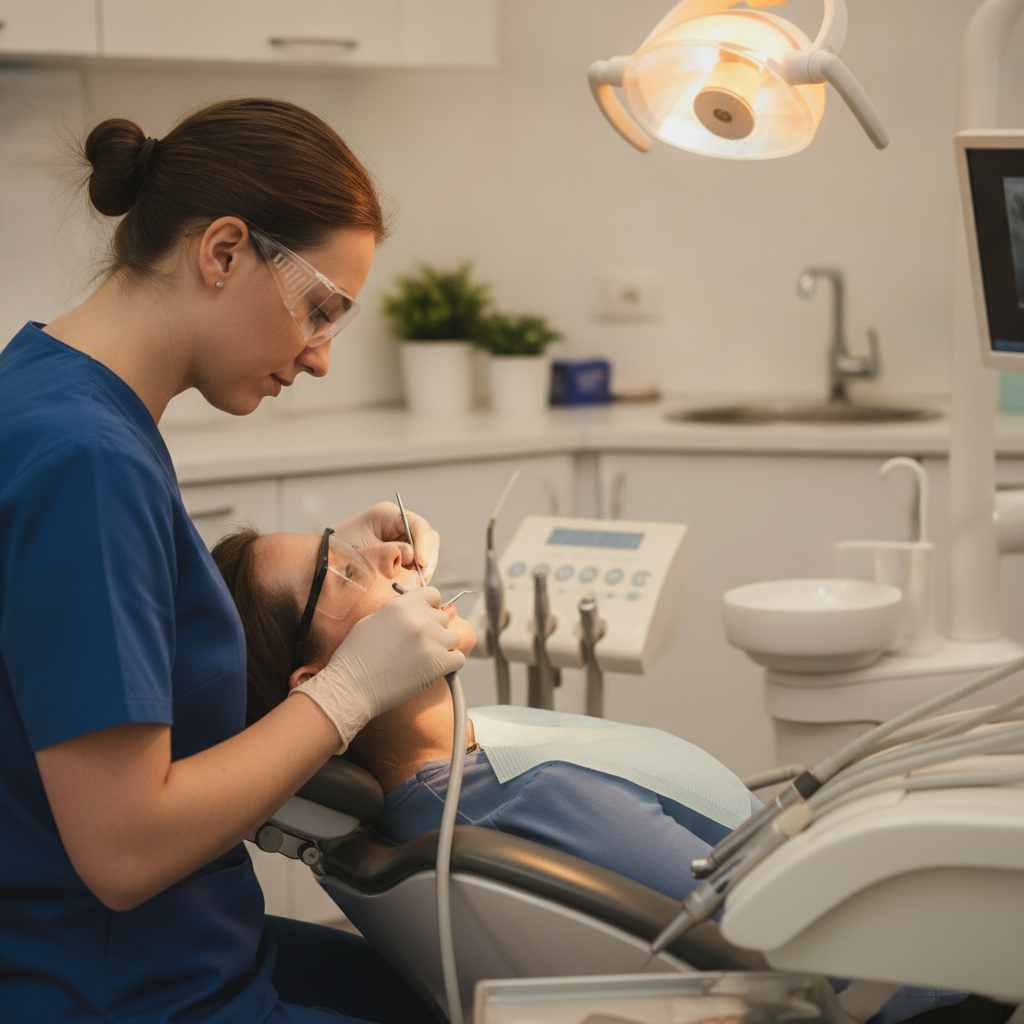
Tools and Resources We Recommend
Stick with proven basics: a soft‑bristle electric brush, fluoride toothpaste, interdental cleaners, and custom trays when whitening. Add a water flosser if dexterity is limited. Ask your clinician before trying abrasive “whitening” pastes; gentle methods protect enamel and gums.
- Soft‑bristle electric toothbrush with pressure control for consistent home care
- Fluoride toothpaste and alcohol‑free mouthrinse to reinforce enamel
- Interdental brushes or floss picks for tight contacts and braces
- Custom whitening trays for predictable, periodic touch‑ups
- Sports mouthguards and night guards for protection
Want foundations in plain language? This approachable cosmetic dentistry 101 overview covers common treatments and how they pair with prevention‑first care—useful context before you map your family plan.
Case Studies and Real‑World Examples
Small, smart steps add up. Families who clean first, stabilize any cavities, then whiten see steadier shade and fewer sensitivity flare‑ups. The quick scenarios below show how sequencing delivers natural changes without over‑treating or rushing before big life moments.
Teen athlete: A Scarborough high‑schooler with sport‑drink stains followed a plan of professional cleaning, sealants on new molars, then gentle take‑home whitening before graduation photos. Result: an even, natural lift and zero missed practices.
Busy parent: Before starting a public‑facing role, a parent booked a same‑day cleaning and in‑office whitening. A custom night guard protected the new shade from clenching. Result: visible improvement in one visit, with comfort and stability at the three‑month check.
Active senior: After addressing a worn molar with a tooth‑colored crown and completing a thorough cleaning, a senior used custom trays for gradual whitening. Result: brighter smile that matched the restoration shade and improved chewing confidence.
Whole‑family sync: Two siblings paired cleanings with spring photo season. The older used custom trays for two weeks; the younger focused on stain‑smart snack swaps and a straw for iced tea. Result: both saw a lift appropriate for their age and needs.
Frequently Asked Questions
These quick answers cover safety, timing, sensitivity, and who’s a good candidate. Each response is short, direct, and based on family‑focused care. If your situation is unique, bring it to your consultation so we can tailor the plan together.
Is teeth whitening safe for enamel?
Yes, when supervised by a dental professional and used as directed. Professional formulas are designed to minimize sensitivity and protect soft tissues. We also schedule whitening after a thorough cleaning so the gel contacts enamel evenly for predictable results.
What’s the best age to start cosmetic care?
Cosmetic planning starts with healthy habits at any age. Teens may benefit from stain removal and supervised, conservative whitening. Adults often choose in‑office whitening before milestones. Seniors focus on durable, tooth‑colored restorations that also improve chewing and comfort.
How long do whitening results last?
Many people see a noticeable lift for several months. Longevity depends on diet, oral hygiene, and whether you clench or grind. Pair periodic touch‑ups with good home care and professional cleanings to keep your shade steadier through the year.
What if I have sensitive teeth?
We build sensitivity management into your plan—like using custom trays, spacing sessions, and adding fluoride. Treating any exposed root surfaces or tiny cracks first also helps. Most patients can whiten comfortably with the right approach and pacing.
Conclusion, Key Takeaways, and Next Steps
Family cosmetic dentistry works best when it’s prevention‑led, conservative, and timed to your calendar. Start with a cleaning, stabilize any repairs, then enhance. Add small touch‑ups as life changes—and keep confidence high without over‑treating.
Key takeaways
- Clean, stabilize, enhance: the family‑friendly sequence for natural results
- Support results with fluoride, sealants, and gentle habits
- Time enhancements around photos, milestones, and seasons
- Protect with a guard if you clench; schedule shade checks
Action steps
- Book a professional cleaning and smile consultation.
- Plan whitening or restorations after stability checks.
- Set a follow‑up for a quick shade review in a few months.
If you’re new to SR Smile Care, we welcome families, kids, and seniors. We combine preventive, cosmetic, and restorative services with gentle techniques, flexible scheduling, and clear booking. We also reference CDCP acceptance and provide onsite fillings and restorations—so routine and urgent needs stay under one friendly roof in Scarborough.
Related Topics in Family Cosmetic Care
Curious what supports great cosmetic results? Explore professional cleanings, whitening choices, and how restorative options like crowns fit into a brighter, stronger smile. These topics connect prevention with confidence, so results look natural and last.
Professional dental cleaning, supervised whitening, targeted restorations, and consistent home care create a practical path for families who want healthy, confident smiles—without guesswork or shortcuts.