
How fillings restore a tooth: clinical goals in plain language
A filling repairs a tooth that has lost structure because of decay or damage. Cavities are areas where bacteria have broken down enamel and dentine, creating a hole that weakens the tooth. If left untreated a cavity can grow, cause pain, or lead to the breakage or loss of the tooth. Removing decay and restoring the missing material protects the tooth and restores chewing function. For an overview of how cavities develop and why treatment matters see the Canadian public health guidance on cavities.
When a dentist places a filling they aim to:
- remove infected and weakened tooth tissue,
- seal the prepared space from bacteria,
- replace lost chewing surface so the tooth can bite and chew normally, and
- prevent further decay around the repaired area.
What a cavity does to a tooth
Bacteria form plaque and produce acid that erodes enamel and then dentine. The resulting cavity weakens the tooth structure and creates a space where bacteria continue to collect. Early enamel lesions may respond to professional fluoride treatments, but established cavities usually need restorative treatment that removes decay and replaces lost tissue to stop progression and restore strength and form (Cavities – Canada.ca), (Tooth Decay – MedlinePlus).
What a filling is supposed to achieve
A filling replaces the part of the tooth that was removed, seals margins where bacteria could re-enter, and restores the contour and contact points so the restored tooth works with surrounding teeth. The clinical outcome is measured by the absence of continued decay, a comfortable bite, and stable restoration margins that the patient can clean at home.
Step-by-step: what happens during a filling appointment
This ordered walkthrough explains the in-clinic sequence from check-in to completion. Each numbered step includes the common actions and the points where the dentist may pause and recommend a different approach if findings change.
1. Confirm diagnosis and X-rays
Your visit begins with a review of symptoms and an examination. The dentist will inspect the tooth visually and often take a bitewing or periapical X-ray to confirm the extent of decay and whether the cavity reaches the tooth pulp. A deeper or more complex lesion seen on X-ray can change the plan and lead to a recommendation for a crown or root canal instead of a simple filling (Mayo Clinic).
2. Local anaesthesia and safety check
Most fillings use local anaesthesia so the area is numb. The dentist or dental assistant will confirm your medical history, current medications, and allergies before administering anaesthetic. If you have medication concerns, a bleeding disorder, or a history of adverse reactions, the team will pause and adapt the plan for safety. Children and anxious patients are offered explanations and comfort measures to reduce stress.
3. Remove decay and clean the cavity
The clinician removes decayed tooth tissue using a dental handpiece or, in some cases, air abrasion. The goal is to eliminate infection while preserving as much healthy tooth as possible. After decay is removed, the cavity is cleaned and disinfected. If the decay is very near the pulp the dentist may place a protective liner or discuss alternative care options.
4. Prepare and isolate the tooth
To keep the cavity dry during placement the tooth is often isolated with a rubber dam or cotton rolls. Proper isolation improves bonding for tooth coloured materials and reduces contamination. The dentist shapes the cavity to ensure the filling will restore the natural contours and contacts with neighbouring teeth.
5. Place the filling material and cure or pack
How the material is placed depends on the type chosen. For composite resin the dentist applies adhesive, places the composite in thin layers, and uses a curing light to harden each layer. For glass ionomer the material is packed into the cavity and sets chemically. For amalgam the dentist condenses and shapes the metal filling. If substantial tooth structure is missing the clinician may recommend an indirect restoration such as an inlay or crown instead. The team will stop and reassess if the cavity is larger than expected or if the tooth is compromised.
6. Trim, polish and check your bite
After the material is set the dentist trims and polishes the filling and checks your bite. You will be asked to gently close and bite so the clinician can adjust any high spots. A balanced bite is important to avoid discomfort or fracture. If the bite needs large adjustments the dentist will make small corrections and recheck until the bite is comfortable.
7. Final instructions and follow-up
The dentist explains aftercare, what to expect in the first 48 hours, and schedules any necessary follow-up. If the filling was large or the tooth was sensitive before treatment a follow-up visit may be recommended to confirm comfort and function.
Common filling materials and how they affect function and appearance
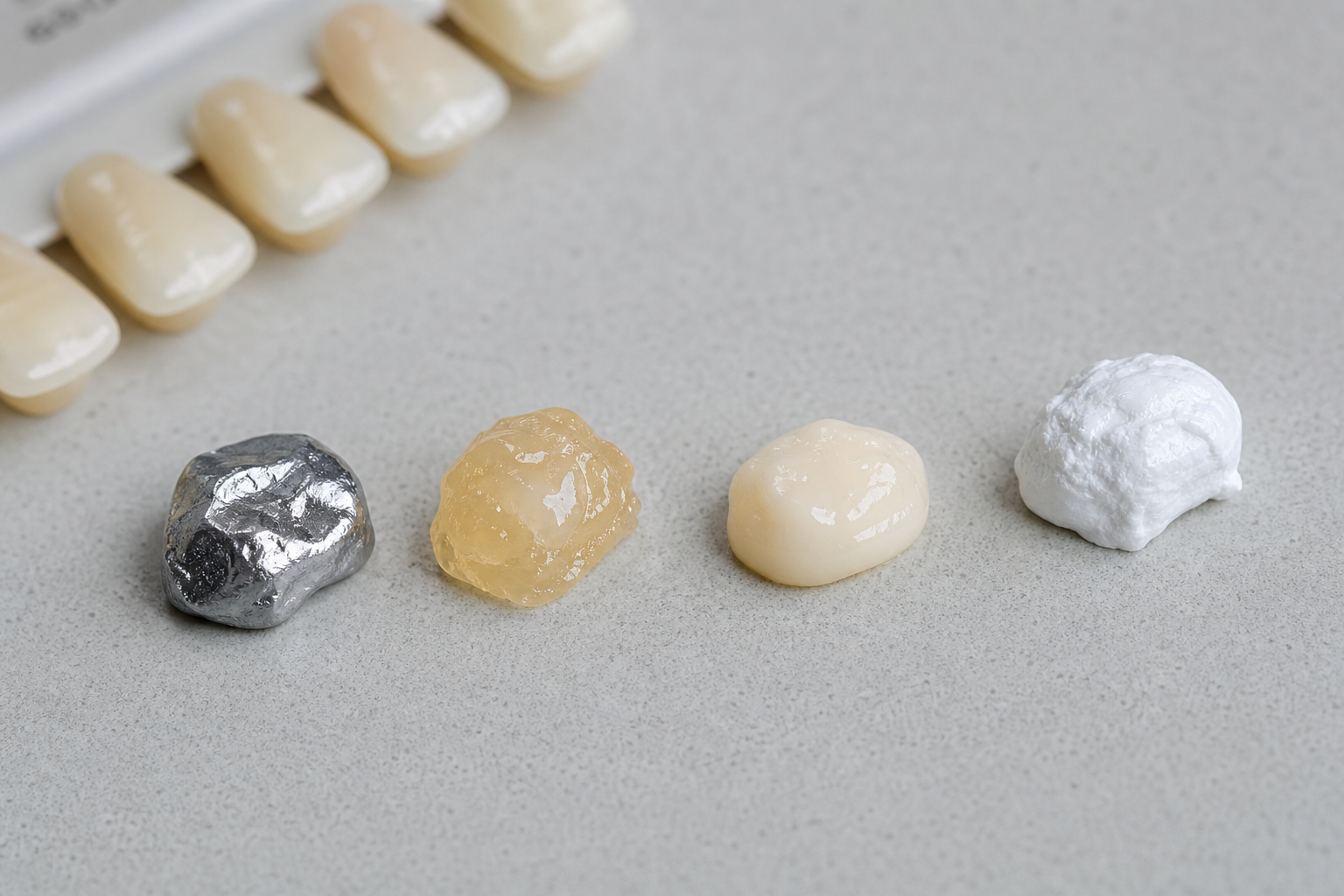
Material choice balances strength, appearance, and the tooth’s location. Your dentist will recommend the option that best matches your needs.
When aesthetics matter
Composite resin is tooth coloured and commonly used for visible front teeth and premolars. It bonds to tooth structure, allowing conservative preparation. Ceramic inlays or onlays are another aesthetic option for larger restorations and are made in a lab for a close match to the natural tooth.
When strength matters
Amalgam has a long clinical history for strength in back teeth where chewing forces are high, but it does not match tooth colour. Glass ionomer releases fluoride and can be useful in certain situations such as root caries or for patients where isolation is difficult. The dentist considers the remaining tooth wall, cavity size, and load when prioritizing strength.
What your dentist considers when choosing material
Decisions are based on cavity size and location, aesthetics, load from chewing, moisture control during placement, patient preferences, and any history of sensitivity or allergies. A dentist will explain the pros and cons of each option before treatment and will avoid absolute claims about one material being universally best.
Recovery and aftercare: a checklist for the first 48 hours
Most people recover quickly after a filling. Use this checklist to manage the first two days safely and comfortably.
Immediate 2-hour steps
- Remain numb for a few hours after local anaesthesia; avoid chewing until the numbness wears off to prevent biting your cheek or lip.
- If a temporary or soft bite adjustment was made, avoid hard or chewy foods until the permanent check.
First 24–48 hours
- Expect mild soreness or sensitivity to hot, cold, or pressure. Over-the-counter pain relievers as directed can control discomfort.
- Brush and floss gently around the restored tooth. Resume your normal oral hygiene routine the same day, taking care at the restoration margins.
- Avoid very hard or sticky foods for 24 hours for newly placed or recently adjusted restorations.
When to contact your dental clinic
Call your dentist if you experience persistent or worsening pain, severe swelling, prolonged numbness beyond several hours, a filling that feels high after bite adjustment, or signs of infection such as fever or drainage. These signs may indicate the need for an urgent review rather than routine follow-up (Tooth Decay – MedlinePlus).
For local information on restorative follow-up and care options visit our detailed resource on dental fillings and restoration.
When a filling is not enough: signs you may need a crown, root canal, or extraction
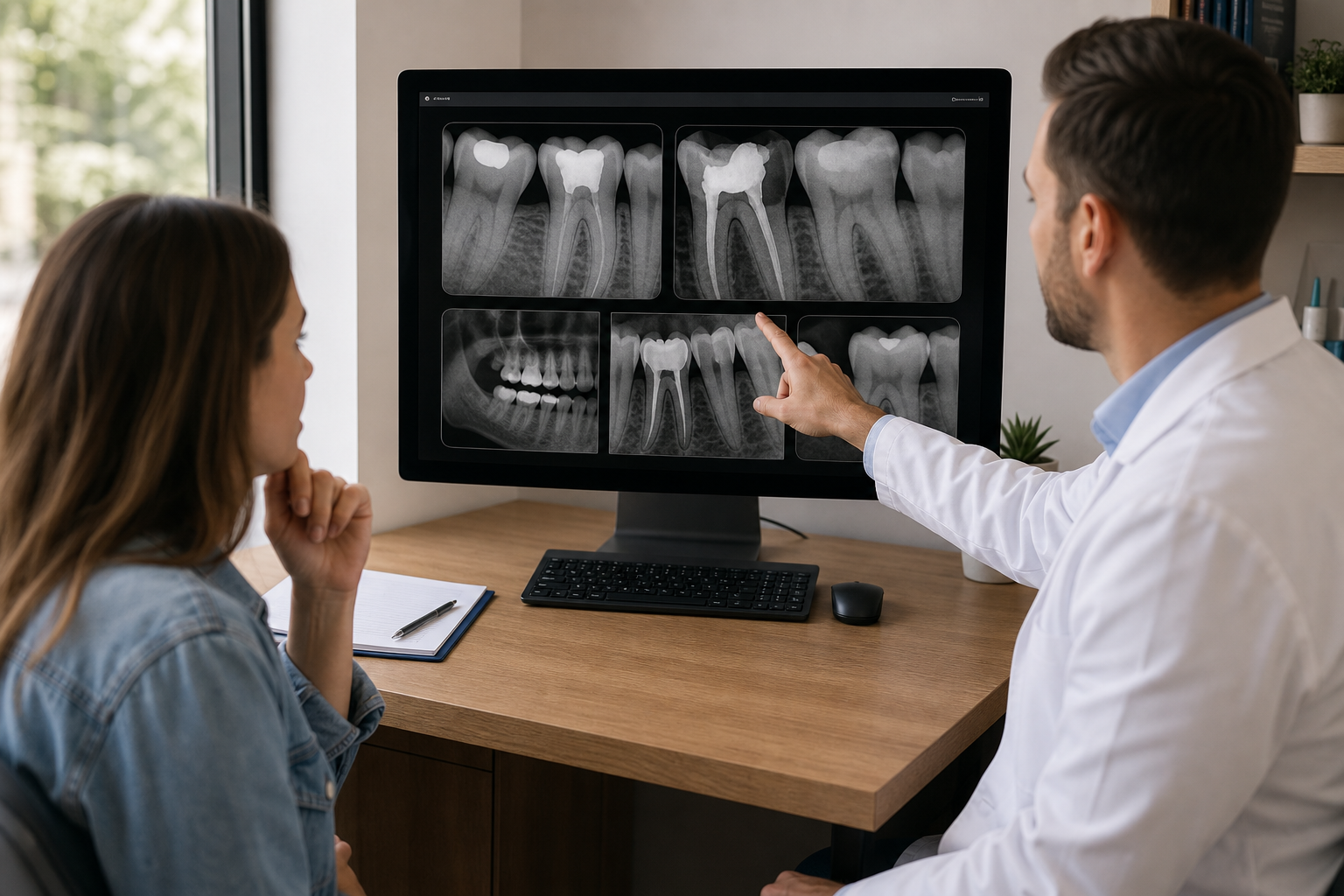
Signs your tooth needs more than a filling
Large structural loss, decay that reaches close to the pulp on X-ray, persistent or worsening pain, repeated failure of previous restorations, or a tooth fracture are common reasons a dentist will recommend a crown, root canal therapy, or extraction. If decay has spread under existing restorations the clinician may find the tooth is structurally compromised.
How dentists decide between crown, root canal, or extraction
The decision is based on remaining tooth structure, pulp status, presence of infection, and the tooth’s role in the mouth. A tooth with a healthy pulp and limited loss can usually be filled. If the pulp is infected a root canal plus a crown may be recommended to remove infection and restore strength. When the tooth cannot be reliably restored, extraction becomes the safer option. X-rays and clinical tests guide the final recommendation (Mayo Clinic).
Before you book: what to bring, questions to ask, and safety limits
Checklist to bring
- Photo ID and any dental insurance or CDCP documentation.
- List of current medications and allergies.
- Notes about past dental experiences or specific anxieties so the team can accommodate you.
Key questions to ask
- Which filling material do you recommend for this tooth and why?
- Will I be fully numb and what anaesthesia options are available?
- What are the expected recovery steps and follow-up visits?
- Are there alternatives if the cavity is larger than expected?
- Do you accept CDCP or other public dental programs and what documentation do you need?
SR Smile Care welcomes new patients and can review program eligibility and documentation at the time of booking. Bringing insurance or program details helps the front desk prepare for your visit (SR Smile Care).
Getting a filling in Scarborough: local next steps and how SR Smile Care helps
How to book
To book a consultation or restorative visit in Scarborough contact SR Smile Care by phone at +1 647-368-7785 or visit the fillings resource page to learn more and request an appointment online. The clinic is located at 2190 Warden Ave. Ste 205, Scarborough ON M1T 1V6. SR Smile Care lists fillings and restorations among core onsite services and welcomes families and new patients (dental fillings and restoration).
What SR Smile Care offers for fillings
SR Smile Care provides a hygiene led, family friendly environment with an onsite dentist for restorative work, flexible booking to suit busy schedules, and a patient focused approach that emphasizes comfort and clear explanations. The team responds to patient questions about materials, anaesthesia, and follow-up so you can decide with confidence. The clinic also maintains a clear booking process and positive patient reviews to support new patients seeking trusted local care (SR Smile Care).
Frequently asked questions
Do fillings hurt and will I be numb during the procedure?
Most patients receive local anaesthesia so the treated area is numb and the procedure is comfortable. You may feel pressure but not sharp pain while the dentist removes decay. If you have concerns about anaesthesia the dental team can explain options and comfort measures before treatment.
How long after a filling can I eat and drink normally?
Wait until the local anaesthetic wears off to avoid biting your cheek or lip. For many materials you can eat lightly after numbness subsides, but avoid very hard or sticky foods for 24 hours if advised. Follow the specific instructions your dentist provides based on the material used.
Can fillings cause tooth sensitivity and how long does it last?
Temporary sensitivity to hot, cold, or pressure is common and usually resolves within a few days to a few weeks. Persistent sensitivity that worsens or does not improve should be evaluated as it may signal a deeper issue or the need for further treatment.
How do I know if my tooth needs a crown or a root canal instead of a filling?
If the cavity is large, if X-rays show the decay close to the pulp, or if you have persistent pain or infection your dentist may recommend a crown or root canal. The clinician will explain the reasons and present alternatives based on the tooth’s condition and your oral health goals.
How do I book a filling appointment at SR Smile Care in Scarborough?
Call SR Smile Care at +1 647-368-7785 or visit the fillings page to request an appointment online. Bring your ID and any insurance or CDCP information to your first visit so the staff can assist with scheduling and eligibility (dental fillings and restoration).
Ready to restore a tooth or ask a question? Visit SR Smile Care to book an appointment and learn more about fillings and restorative care at SR Smile Care.