
If you or a family member are asking what counts as a dental emergency, this short checklist helps you decide now. Read the single-screen summary, use the decision checks to judge specific signs, follow the safe first-aid steps, and learn when to call 911 or head to a hospital instead of a dental clinic.
Quick answer: the one-screen emergency checklist
If any of the following are present, seek same-day dental care: severe or persistent tooth or jaw pain, uncontrolled oral bleeding, rapid or painful swelling of the face or gums, a tooth knocked out completely, a cracked tooth with exposed nerve, or any injury that affects breathing or causes major facial trauma. These are widely recognised as true dental emergencies because they can cause lasting harm if care is delayed (see guidance from Weston Dental, Toronto Lakeshore Dental, and Hwy7 Family Dentistry).
For immediate local help, call SR Smile Care at (647) 368-7785 or visit the clinic emergency page for same-day advice and directions: SR Smile Care emergency dental care.
Decision checks you can use now
Treat each of the items below as an independent trigger. If a check applies to you or someone in your care, act without delay. Each item ends with a concise action you can take right away.
Severe or persistent tooth or jaw pain
Check: pain that is sharp, prevents sleep, is steadily getting worse, or is not relieved by over-the-counter pain medication. Action: call for a same-day dental appointment. Persistent severe pain commonly signals an inflamed nerve or spreading infection that needs prompt attention to avoid more extensive treatment later.
Uncontrolled bleeding in the mouth
Check: bleeding that soaks through gauze or cloth, or that does not slow after 10 to 15 minutes of firm pressure. Action: apply clean gauze and firm pressure and contact a dentist. If bleeding continues despite pressure, go to the nearest emergency department. Dental sources list ongoing bleeding as a common emergency sign.
Rapid or painful swelling of the face or gums
Check: swelling that appears quickly, is painful, or causes trouble swallowing or opening the mouth. Action: seek same-day care. Swelling can indicate a dental abscess or spreading infection and should not be treated as a minor issue.
A tooth knocked out completely (avulsed tooth)
Check: a permanent tooth has been dislodged from its socket. Action: preserve the tooth and see a dentist immediately, ideally within one hour. Hold the tooth by the crown only, rinse gently if dirty, and either reinsert it carefully into the socket or keep it in milk or saline. Immediate dental attention offers the best chance of successful reimplantation (see Weston Dental and Hwy7 Family Dentistry).
A cracked, split, or broken tooth with exposed nerve
Check: a large fragment is missing, you can see the inner pulp, or sensitivity is extreme and constant. Action: call for same-day evaluation. Exposed nerve tissue increases infection risk and is usually painful; a dentist can protect the tooth and manage infection risk.
Airway compromise or severe facial trauma
Check: trouble breathing, uncontrolled facial bleeding, suspected broken jaw, deep facial wounds, or loss of consciousness after impact. Action: call 911 or go to the hospital emergency department immediately. These problems are life-threatening and require medical care rather than routine dental treatment.
Common mistakes people make when deciding whether to wait

- Assuming tooth pain will pass. Pain can mask an infection or abscess that will worsen and may spread to surrounding tissue if left untreated. Early treatment often prevents more invasive procedures.
- Underestimating swelling. Swelling that looks small at first can grow quickly and interfere with breathing or swallowing. If a pimple-like bump on the gum appears or enlarges, treat it as potentially urgent.
- Relying only on home remedies. Cold packs and rinses help temporarily but do not replace professional diagnosis and treatment for bleeding, avulsed teeth, or suspected nerve exposure.
- Choosing the emergency department for tooth repair. ER staff provide pain control and treat life-threatening complications, but hospitals usually cannot perform definitive dental work like restorations or reimplantation. Visiting a same-day dental clinic often resolves the underlying problem faster.
- Delaying care because of cost concerns. Waiting can increase both treatment complexity and cost. Call your dental office to discuss options; many clinics will triage emergencies and offer immediate solutions.
Home first aid: three steps to take before you arrive
These simple, safe steps reduce harm while you travel to the clinic. They do not replace professional care.
- Control bleeding: Apply sterile gauze or a clean cloth with firm pressure to the bleeding site for 10 to 15 minutes. Avoid repeated checks; continuous pressure is more effective. If bleeding persists after sustained pressure, seek emergency medical care.
- Preserve a knocked-out tooth: Touch only the crown, rinse gently if debris is present, and either reinsert the tooth into the socket or store it in milk or sterile saline. Time is critical for reimplantation success, so reach a dentist as soon as possible.
- Reduce swelling and manage pain: Apply a cold compress to the outside of the cheek for 10 to 15 minutes on and off. For pain relief, use acetaminophen or ibuprofen at recommended doses unless you have a medical reason to avoid them. Check for allergies and consult a pharmacist or your dentist if you are unsure.
When to call 911 or go to the hospital instead of the dentist
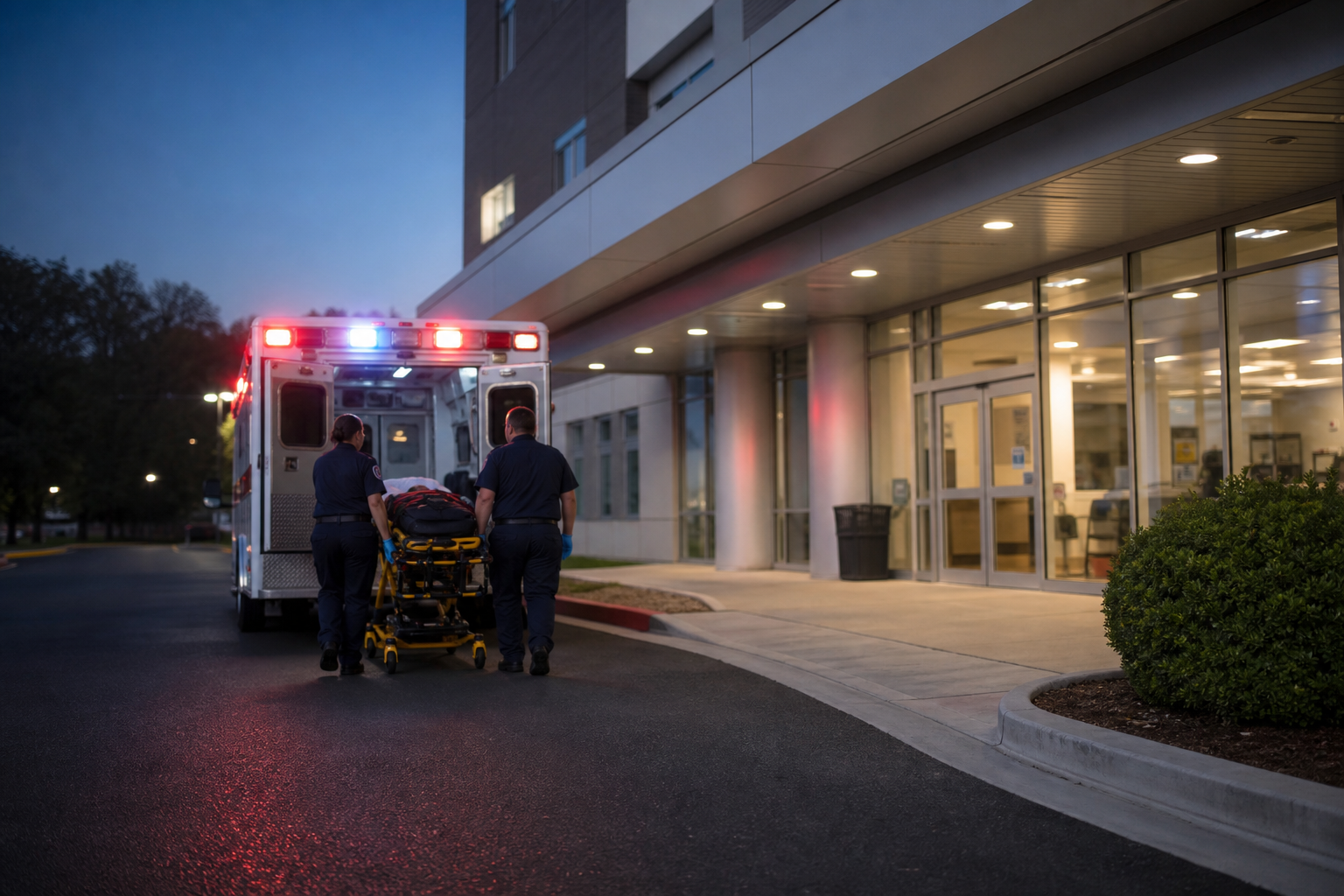
Call 911 or go to the nearest emergency department for life-threatening signs: airway obstruction, difficulty breathing, severe head or facial trauma, uncontrolled bleeding despite pressure, high fever with confusion, or rapidly spreading facial swelling. Dental clinics manage many urgent mouth problems, but the emergency department is the right choice when airway, circulation, or major trauma is at risk.
What to expect during an emergency dental visit at SR Smile Care
When you contact SR Smile Care for an urgent problem, the team will triage your case and prioritise same-day evaluation when appropriate. Typical emergency treatments include pain control, a course of antibiotics if infection is suspected, temporary restorations or splinting for injured teeth, and extractions when a tooth cannot be saved. Because SR Smile Care lists an onsite dentist for fillings and restorations, many issues can receive definitive care during the urgent visit rather than only temporary relief.
Bring a list of current medications, known allergies, and a clear account of how the injury or problem started. If you have a knocked-out tooth, bring it in a clean container of milk or saline. The clinic can advise about follow-up care and timelines for definitive treatment.
Local next steps: call, directions, and same-day booking in Scarborough
SR Smile Care is at 2190 Warden Ave., Ste 205, Scarborough, ON M1T 1V6. Call (647) 368-7785 for same-day advice and to request an urgent appointment. The clinic asks that patients call first so staff can triage and prepare for your arrival. See the emergency services page for more details: SR Smile Care emergency dental care. For step-by-step directions use the clinic Google Maps listing.
Frequently asked questions
Is a toothache always a dental emergency?
No. Mild or brief sensitivity that improves with over-the-counter pain relief and does not worsen over 24 to 48 hours usually does not require emergency care. Severe, persistent, or worsening pain, especially when paired with swelling, fever, or difficulty eating or sleeping, usually needs same-day assessment. If in doubt, call a dental office for triage; professional guidance helps avoid unnecessary delays.
What should I do if a tooth is completely knocked out?
Handle the tooth by the crown only, rinse gently if dirty, and try to reinsert it into the socket if you can do so without force. If reinsertion is not possible, keep the tooth moist in milk or sterile saline and get to a dentist immediately. Successful reimplantation is time sensitive and more likely when treatment begins quickly.
Will swelling or a pimple on the gum wait until regular hours?
No. A pimple-like bump on the gum can be an abscess and may indicate a spreading infection. If it is painful, enlarging, or accompanied by fever or swallowing difficulty, seek same-day care. Rapidly worsening swelling should not be delayed.
If I go to the ER for dental pain will they treat the tooth or only control pain?
Hospital emergency departments usually control pain, prescribe antibiotics, and manage life-threatening complications, but they rarely perform dental restorations or tooth reimplantation. A follow-up visit with a dentist is typically required for definitive treatment. For many non-life-threatening dental issues a same-day dental clinic visit is the faster path to a permanent solution.
Does SR Smile Care accept CDCP or offer help with emergency billing?
SR Smile Care references CDCP acceptance on its website. For confirmation about emergency billing, coverage, or financial options, call the clinic at (647) 368-7785 so staff can explain what applies to your situation and advise on next steps.
SR Smile Care is ready to help with same-day dental needs in Scarborough — call (647) 368-7785 or visit the clinic website for urgent booking and directions; do you need immediate assistance now?
Further reading and sources: Weston Dental emergency guide, Toronto Lakeshore Dental: what counts, Hwy7 Family Dentistry: emergency guide.