
Silver diamine fluoride dental treatment (SDF) is a quick, noninvasive way to stop active tooth decay and help prevent new cavities. It combines silver’s antibacterial action with fluoride’s remineralizing power to arrest caries without drilling. For Scarborough families, SDF offers a gentle option that fits preventive visits and buys time when traditional fillings aren’t ideal.
By SR Smile Care • Last updated: 2026-07-04
Overview
Silver diamine fluoride (SDF) arrests active tooth decay by killing cavity-causing bacteria and strengthening enamel. Applied topically with a microbrush in minutes, it’s painless, drill-free, and ideal for young children, seniors, and anxious patients. Dentists often use SDF to stabilize lesions before definitive restorations or when traditional fillings aren’t yet practical.
SDF has changed how we manage early and moderate decay. It adds a “pause button” to treatment plans, giving families options between prevention and full restorations. In our hygiene-led, patient-first model at SR Smile Care, we use SDF alongside thorough dental exams, professional cleanings, fluoride varnish, and sealants to keep smiles strong.
- What you’ll learn in this guide:
- What silver diamine fluoride is and when we use it
- How an SDF appointment works at SR Smile Care
- Benefits, limits, and who it helps most
- How SDF compares with sealants, varnish, and fillings
- Care tips, follow-up timelines, and real-world examples
At a Glance
- Great for: Kids, seniors, special needs, anxious patients, and hard-to-reach lesions
- What it does: Stops (arrests) decay and reinforces weakened enamel
- What to expect: 1–2 minutes per tooth; painless, no drilling
- Main tradeoff: Carious areas darken as decay arrests
- Follow-up: Re-apply at 2–4 weeks, then every few months as needed
What Is Silver Diamine Fluoride (SDF)?
Silver diamine fluoride is a topical dental liquid that stops active decay and strengthens tooth structure. Silver ions act against bacteria while fluoride promotes remineralization. Clinicians paint SDF onto cavities or high‑risk areas to arrest lesions, often as part of a broader preventive plan with exams, cleanings, and sealants.
In simple terms, SDF is a medicinal stop sign for cavities. It doesn’t rebuild missing tooth structure like a filling, but it halts the disease process quickly. That’s powerful for toddlers with baby-tooth decay, older adults with root caries, or anyone who needs gentle care before more involved work.
Core components
- Silver: Targets and disrupts cavity-causing bacteria within the lesion.
- Fluoride: Supports remineralization, helping enamel and dentin become more resistant.
- Ammonia carrier: Stabilizes the solution to deliver the active ions effectively.
We integrate SDF into personalized plans that reflect your dental exam results, risk level, and daily habits. It’s one tool—used thoughtfully—within a complete, family-friendly prevention strategy.
Why SDF Matters for Families in Scarborough
SDF matters because it stops cavities without drilling, anesthesia, or extended chair time. It’s ideal for kids, seniors, and anxious patients, and it stabilizes decay until definitive care. In Scarborough, that means gentle, flexible options that fit busy schedules while protecting everyday smiles.
Here’s the thing: dental disease is preventable, but life gets hectic. Appointments shift, school calendars fill up, and some patients feel anxious about traditional dental work. SDF bridges the gap by making decay control fast, comfortable, and practical—so you don’t lose ground while planning the next step.
- Gentle and efficient: No drilling or injections in most cases; perfect for short, positive visits.
- Behavior-friendly: Helps children build trust with the dentist through quick, calm appointments.
- Senior-friendly: Useful for root surfaces and areas hard to keep plaque-free.
- Flexible planning: Buys time to decide on restorations like fillings, crowns, or bridges when appropriate.
Local considerations for Scarborough
- Plan family visits around community activities near Warden Sheppard Plaza to stack errands with preventive care.
- Seasonal schedules get busy; use school breaks or quieter weeks to complete SDF follow-ups promptly.
- For anxious patients, a brief SDF visit can reduce dental stress and set up success for future cleanings and exams.
How Silver Diamine Fluoride Works
SDF arrests decay through a one-two effect: silver ions disrupt bacterial activity inside the lesion, and fluoride strengthens demineralized tooth structure. The carious area hardens (“arrests”) and turns dark, signaling inactive decay. Dentists may add sealants or restorations later for function and esthetics.
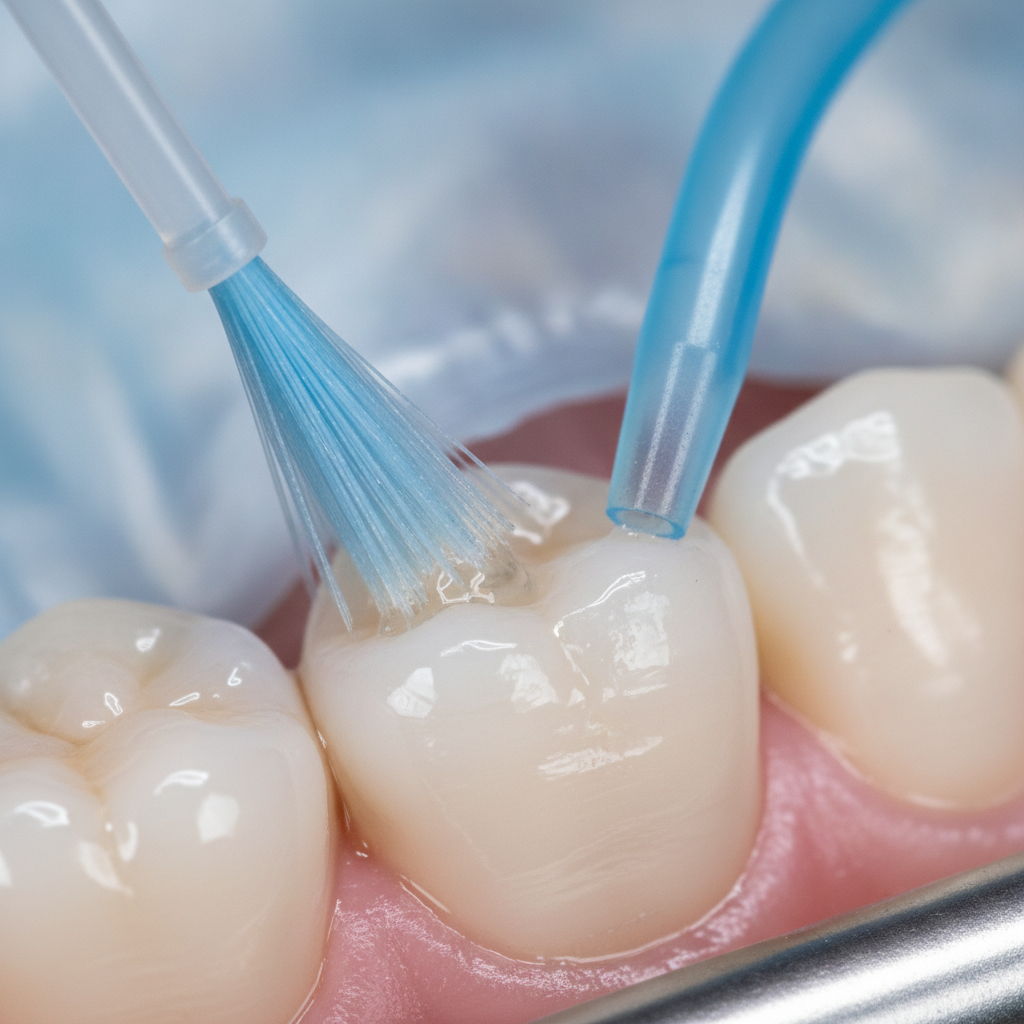
Cavities form when acids from bacteria weaken enamel and dentin. SDF shifts this balance. After isolation and drying, a small drop applied with a microbrush penetrates the porous lesion. Over the following days, the softened area firms up as minerals reincorporate. That black or dark-brown color? It’s the visual cue that the lesion is inactive.
What SDF does—and doesn’t—do
- Does: Arrests the disease process; reduces bacterial load; increases lesion hardness.
- Doesn’t: Restore missing structure, repair fractures, or change tooth shape.
- Pairs well with: Fluoride varnish, dental sealants, and, later, conservative fillings.
Think of SDF as disease control. We still complete a comprehensive dental exam and hygiene visit to address plaque, calculus, and gum health. When appropriate, we’ll plan minimally invasive restorations after SDF has done its job.
When to Use SDF: Types and Approaches
Dentists use SDF to arrest decay in baby teeth, root surfaces, and hard-to-access pits and fissures. It’s chosen when cooperation is limited, anesthesia isn’t ideal, or a temporary stabilization is needed. Clinicians reapply at follow-ups and may add sealants or aesthetic coverings later.
Common use cases
- Pediatric caries: Early childhood decay on molars where cooperation is developing.
- Root caries: Exposed root surfaces in older adults or xerostomic patients.
- Interim step: Stabilization before fillings, crowns, or bridges.
- Special situations: Patients with medical or sensory needs who benefit from shorter visits.
Decision factors we weigh
- Lesion activity: Soft, chalky, or cavitated areas respond well to arrest protocols.
- Moisture control: SDF prefers a dry field; we use gentle isolation techniques.
- Esthetics: Arrested lesions darken. On front teeth, we plan cosmetic coverage later.
- Recall cadence: Follow-ups let us reapply and confirm hardness and hygiene improvements.
Our goal is to match the right tool to your goals. For many Scarborough families, SDF provides momentum: less stress now, better conditions for durable restorations soon.
Step-by-Step: Your SDF Appointment at SR Smile Care
An SDF visit is quick: we review your exam, isolate and dry the tooth, paint a small amount of SDF for one minute, then protect the area. There’s no drilling, and most patients feel nothing. We schedule a check in 2–4 weeks to confirm arrest and plan next steps.
- Pre-check and consent: We confirm your dental exam, explain benefits and tradeoffs (including darkening), and answer questions.
- Gentle isolation: Cotton rolls and suction keep the area dry and protect soft tissues.
- Drying the tooth: Air-dry for seconds—moisture control improves penetration.
- Apply SDF: A microdrop on a microbrush touches the lesion for about a minute.
- Remove excess: We blot any extra and may add a protective varnish.
- Post-op advice: Avoid eating/drinking on that side for an hour; don’t scrub the spot the first day.
- Follow-up: Re-check at 2–4 weeks; repeat applications may be recommended.
Soft CTA: Want a gentle, drill-free option to halt decay? Ask our team about SDF during your next dental exam and cleaning. We welcome new patients and support personalized, comfort-first care.
Best Practices After SDF (Home Care + Follow-Up)
Keep the treated area clean but gentle for the first 24 hours, then resume normal brushing with a soft brush and fluoride toothpaste. Schedule follow-ups as advised; reapplication strengthens results. Maintain professional cleanings and consider sealants or restorations for long-term function and appearance.
Home-care checklist
- Don’t eat or drink on the treated side for one hour after the visit.
- Gently brush that area the first night; resume normal brushing/flossing next day.
- Use fluoride toothpaste twice daily; supervise kids under age 8.
- Limit frequent snacking and sugary drinks; drink water after meals.
Clinic follow-up
- 2–4 weeks: We check hardness and hygiene, and may reapply.
- 3–6 months: Consider sealants on groove-prone molars after disease control.
- Restorative planning: For esthetics or function, we may add fillings, crowns, or bridges.
In our experience, pairing SDF with coaching on brushing, nutrition, and regular cleanings keeps momentum strong. Families appreciate that it’s simple to maintain—and that it supports, not replaces, personalized preventive care.
Tools and Resources We Recommend
SDF works best when paired with simple daily tools: a soft-bristle brush, fluoride toothpaste, floss aids for tight contacts, and water as the default drink. In-office, we add fluoride varnish and sealants strategically, and schedule cleanings and exams to match your risk.
- At home: Soft brush, fluoridated toothpaste, floss or floss picks, and a water-first habit.
- In the chair: Professional cleanings, dental exams, fluoride varnish, and sealants on high-risk molars.
- Next steps: If a tooth needs shape or strength restored, we plan conservative fillings or, when indicated, crowns and bridges.
For general background on professional fluoride options, see this overview of fluoride treatment. For parents comparing preventive options, this primer on dental fluoride basics and this guide to dental sealants offers accessible context.
Real-World Examples from Our Scarborough Clinic
We use SDF to reduce chair-time stress, stabilize disease, and create better conditions for restorations. For kids, seniors, and anxious patients, a two-minute application can halt decay and build confidence—often leading to smoother cleanings, exams, and future fillings when needed.
- Toddler molar grooves: A child with early pit-and-fissure lesions received SDF during a brief, positive visit. One month later, the spots were hard; we placed sealants at a calm follow-up.
- Senior root caries: An older adult with sensitive root surfaces benefited from SDF on multiple areas. Sensitivity decreased as lesions arrested, making hygiene easier.
- Anxious teen: SDF arrested a small back-tooth lesion, giving time to build rapport through cleanings. Later, a minimal filling restored form without a stressful experience.
- Staging before crowns: Where decay surrounded an old restoration, SDF stabilized the site while we planned a definitive crown, protecting the tooth between visits.

Because our team blends preventive and restorative care under one roof, we can move from disease control to durable fixes at the right time for you.
SDF vs. Other Cavity Treatments
SDF stops decay without drilling but can darken treated areas; sealants protect clean grooves; fluoride varnish strengthens at-risk enamel; fillings restore lost form. The best choice depends on lesion activity, location, cooperation, and your esthetic goals. We often combine these tools.
| Treatment | Main purpose | Drilling? | Staining | Best for | Follow-up |
|---|---|---|---|---|---|
| Silver diamine fluoride | Arrest active decay | No | Yes (darkens carious area) | Kids, seniors, interim control | Reapply; consider sealant/filling |
| Fluoride varnish | Strengthen enamel, prevent | No | No | General prevention, sensitivity | Every 3–6 months as advised |
| Dental sealants | Seal grooves to block decay | No (minimal prep) | No | Pit-and-fissure protection | Check at exams; repair if needed |
| Tooth-colored fillings | Restore lost shape/function | Yes | No | After disease control | Routine exams and cleanings |
Not sure where to start? We’ll walk you through choices during your dental exam, show you the lesion on screen, and agree on a plan that fits comfort, esthetics, and long-term health.
Limitations, Tradeoffs, and Safety
SDF is safe when used as directed and is widely used in pediatric and geriatric care. The main tradeoff is dark staining of arrested decay. It isn’t suited for every front-tooth situation, and it doesn’t rebuild lost structure—so future cosmetic or restorative steps may follow.
- Color change: Expect darkening where decay is present; healthy enamel won’t stain.
- Taste and tissue contact: We protect cheeks and gums; a brief metallic taste can occur.
- Allergy screening: Rare sensitivity to silver compounds is reviewed at consent.
- Follow-through: Success improves with steady hygiene and timely reapplications.
In our clinic, we pair SDF with clear expectations, photos, and touchpoints to ensure you’re comfortable with the plan and happy with the results over time.
Where SDF Fits in Your Overall Care
SDF slots into a broader prevention-first plan: comprehensive exams, cleanings, fluoride varnish, and sealants. When a tooth needs more than disease control, we add fillings or plan crowns and bridges. The aim is simple—stabilize now, restore well, and keep routine care stress-free.
- Dental exam & risk check: Baseline photos, radiographs as indicated, and hygiene review.
- Prevention cadence: Cleanings and varnish on a schedule that matches your risk.
- Restorative steps: Onsite fillings and, when indicated, crowns or bridges for strength.
- Special support: Myofunctional therapy and oral cancer screening as part of whole-mouth wellness.
Because we’re a family-friendly Scarborough clinic, we coordinate visits to cut down on trips, keep kids’ appointments short and positive, and maintain momentum between preventive and restorative care.
Frequently Asked Questions
SDF is a quick, painless liquid dentists paint onto cavities to stop decay. Lesions turn dark as they harden. It’s helpful for kids, seniors, and anxious patients, and often precedes sealants or fillings. Follow-up applications improve long-term success.
Will silver diamine fluoride replace a filling?
Not exactly. SDF stops decay but doesn’t rebuild shape. Once the lesion is inactive, we often add a sealant or a small tooth-colored filling for function and appearance. Your dentist will confirm the best timing.
Does SDF hurt or require freezing?
No. SDF is painted onto the tooth and typically feels like nothing more than a cool dab. We rarely need anesthesia. Appointments are short, which helps children, seniors, and anxious patients feel at ease.
Why do treated spots turn black?
Darkening shows the decay has arrested and the area has hardened. Healthy enamel does not stain. If the area is visible when you smile, we can plan a tooth-colored covering or a conservative filling to improve esthetics.
How long does silver diamine fluoride last?
Results depend on your cavity risk and home care. We often reapply at 2–4 weeks and again at future cleanings. Good brushing, fluoride toothpaste, and sealants where appropriate help maintain protection over time.
Is SDF safe for children and seniors?
Yes, when used as directed. It’s broadly used in pediatric and geriatric dentistry. We’ll review your medical history, discuss benefits and tradeoffs, and protect soft tissues during application.
Key Takeaways and Next Steps
SDF offers a gentle, fast way to stop decay and protect teeth—especially for kids, seniors, and anxious patients. It pairs best with cleanings, exams, and sealants, and it may precede small fillings or crowns. If you want a drill-free option today, ask about SDF at your next visit.
- SDF halts active decay quickly and painlessly; staining is an expected sign of arrest.
- Follow-up applications and hygiene habits sustain results.
- We combine SDF with sealants, varnish, and conservative restorations for long-term success.
- Family-friendly scheduling makes prevention realistic for busy Scarborough households.
Ready to talk about silver diamine fluoride dental treatment for your family? Our Scarborough team makes visits comfortable and convenient. Let’s align prevention, gentle care, and smart planning—so every smile stays bright, strong, and confident.